User-first opening: what your customers actually want
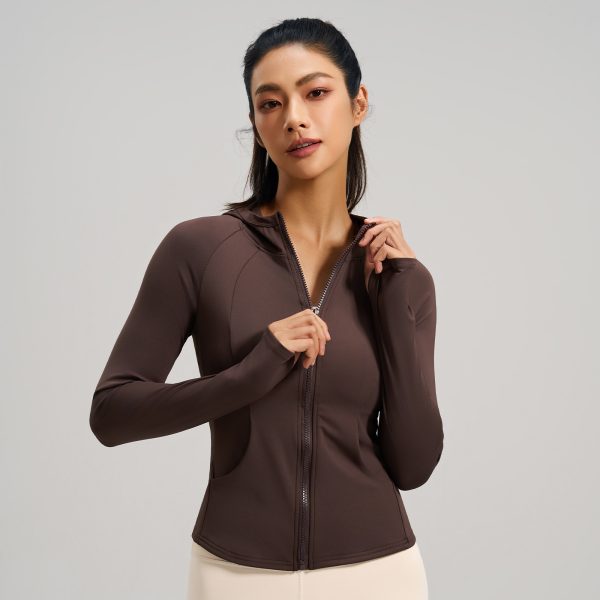
Start with the person who will wear it. The boutique owner. The studio chain buyer. The online brand manager. They want fit that flatters, fabric that performs, and a fast path from sample to shelf. Focus on custom yoga jackets that solve those exact problems. A well-cut slim fit yoga jacket can be the signature piece that sells out first; design it with real bodies in mind, not just a spec sheet.
Profile your core customer
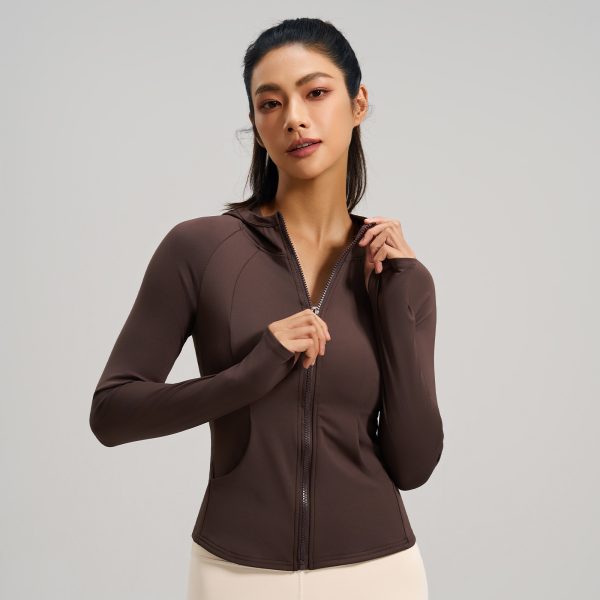
Map behaviours. Are they morning-practice commuters or weekend studio-loungers? Each needs different stretch and breathability. Choose materials with moisture-wicking and four-way stretch where the practice is dynamic. Choose compression or relaxed silhouettes depending on the customer’s activity level. Keep the language simple on product pages. Clear size guidance. Photos on real models. That builds trust fast.
Design decisions that matter for production
Cut and finish beat gimmicks. Flatlock seams reduce chafe. Anti-odor treatments matter for frequent use. Prioritise a functional hood and thumbholes only if your audience wants them — not because they’re trendy. Small runs of high-quality fabrics let you test colorways without big inventory risk. I tested samples during a pop-up class in Le Marais; feedback was immediate and brutally helpful. — The fit improvements came fast.
Quality control and technical checks
Set concrete tests. Stretch recovery: cycle a fabric 25 times at 50% elongation, then measure permanent set. Breathability: measure moisture vapor transmission over 24 hours in standard lab conditions. Seams: inspect for tolerance after 100 wash cycles. These are practical checks, not marketing claims. Keep records. That keeps returns down and reputation up.

Common mistakes and how to avoid them
Avoid over-designing. Too many panels. Too many trims. It adds cost and disrupts fit. Avoid vague size ranges like “S–M” — provide true measurements. Don’t assume one fabric suits all styles; weight and hand differ. Packaging matters: simple reusable bags, clear labels, and care instructions that mention cold wash and low tumble. Small touches reduce customer confusion and lower service tickets.
Comparative choices: cost vs. value
Cheap synthetics save money but fail in longevity. Premium blends with reinforced seams cost more but reduce returns and build loyalty. Compare suppliers not only on price per unit, but on lead time, tech-pack clarity, and minimum order quantity. A balanced approach: start with a capsule of 3 core colors and one seasonal accent. Monitor sell-through. Adjust quickly.
Alternatives and scale strategies
If in-house production is risky, work with white-label partners who offer small MOQ and sample-friendly processes. Consider modular manufacturing: a standard body with interchangeable cuffs, zips, or hoods. That increases perceived variety without big cost. Keep an eye on sustainable options — recycled polyesters with certified supply chains — but verify durability data before committing.
Practical checklist before launch
1) Finalized tech pack with measurements and tolerance. 2) Two approved samples: pre-production and production-ready. 3) Clear care label and size chart. 4) A small initial run to validate fit and color. Use simple analytics: sell-through rates over the first 30 days and return reasons. This gives you early, actionable feedback rather than guesswork.
Advisory closing: three golden rules
Rule 1 — Prioritise fit validation over fancy features. Fit reduces returns and increases word-of-mouth. Rule 2 — Require objective tests: stretch recovery, breathability measures, seam durability after repeated launderings. Rule 3 — Start small and iterate: small runs, real-world testing in local studios or markets like Paris’ Le Marais, then scale what sells.
Final thought — simple, tested, and customer-led designs win. Joebond.