Introduction — a shop floor scene, a stat, and a question
I once stood beside a busy print press as a thin haze curled up from freshly printed sheets — that moment stuck with me. Fume extraction products are central to fixing that haze; they’re the unsung gear that keeps workers breathing easier and downtime lower. Industry reports show that poorly controlled VOCs and ultrafine particles can raise worker absence and maintenance costs by double digits in some shops (yes, the numbers hurt). So how do we move from noisy fans and guesswork to systems that actually protect people and productivity?
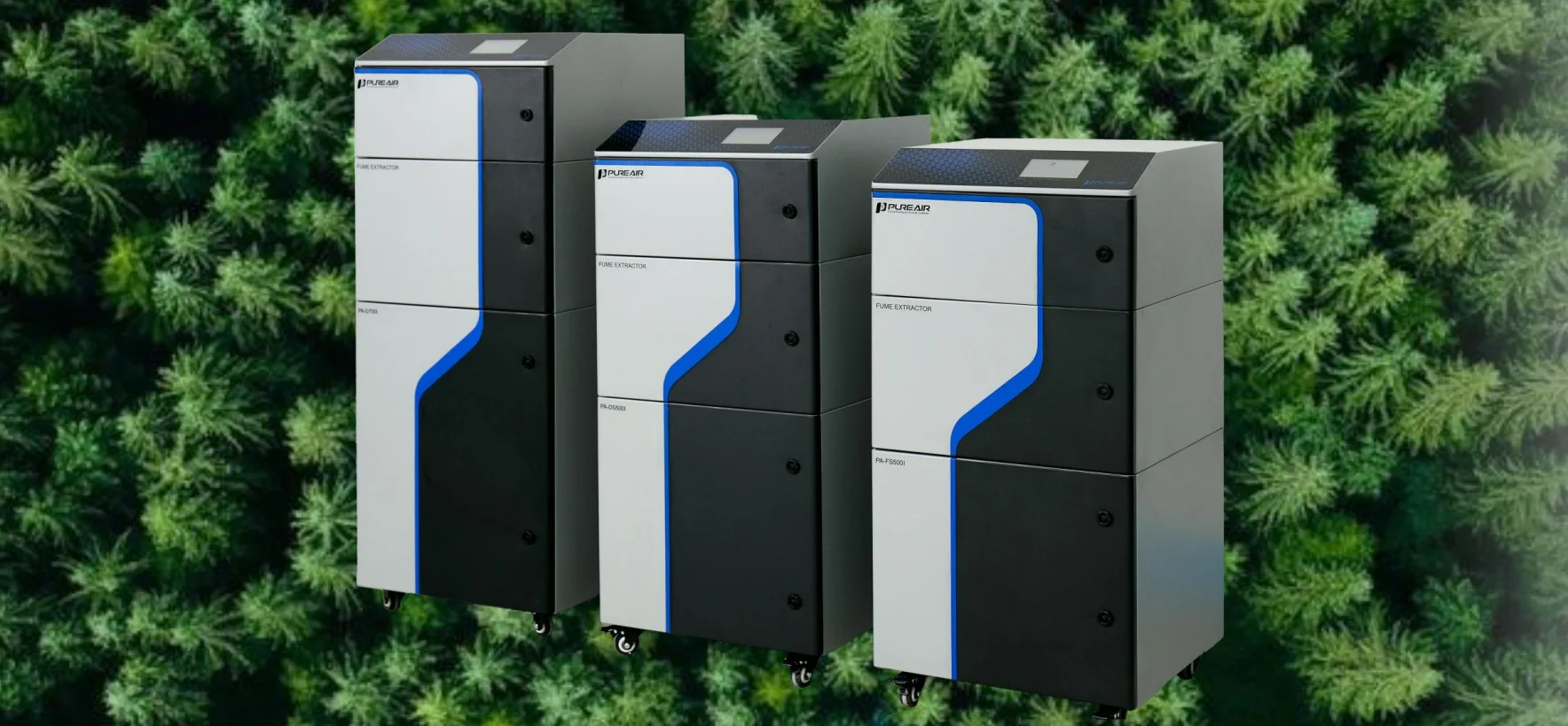
I want to share what I’ve learned from those shop floors and lab tests — the wins, the faceplants, and the strategies that simply made sense. Think of this as a brief field guide: scenario, a bit of hard data, and practical questions that should guide decisions. — let’s get into what matters next.
Part 2 — Where traditional systems break down (technical, direct)
printer fume extraction system myths meet reality fast when you look under the hood. I’ve seen many installs that rely on oversized inline fans and long runs of ductwork, hoping sheer volume will dilute contaminants. That rarely works. Poor airflow rate design creates dead zones; HEPA filter retrofit attempts can spike pressure drop and kill performance; activated carbon beds get saturated faster than expected when VOC loads are mischaracterized. Look, it’s simpler than you think: matching contaminant profile to filtration media matters more than brute force airflow.
Why do standard fixes fail?
First, installers often treat extraction like HVAC — but this is source control, not ambient conditioning. Second, maintenance is underestimated: filters, pre-separators, and power converters require predictable service intervals. Third, noise attenuation gets sacrificed for flow, turning a needed safety upgrade into a nuisance. Informal truth: if workers close vents because it’s loud, the whole system fails. I’ve sat in rooms where the math looked fine — then watched operators switch systems off because they couldn’t hear each other. That human factor is huge.
Part 3 — What’s next: principles and a future-first outlook
When I think about the next generation of printer fume solutions, I focus on three principles: targeted capture at the source, smart control, and predictable maintenance. Systems that use active capture hoods, variable-speed blowers, and sensors to monitor VOC and particle counts can keep capture hood velocities tuned without wasting energy. A modern printer fume extraction system should be more than a fan-and-filter box — it should be an instrumented teammate that tells you when a cartridge is nearing saturation and how the airflow pattern is holding up.
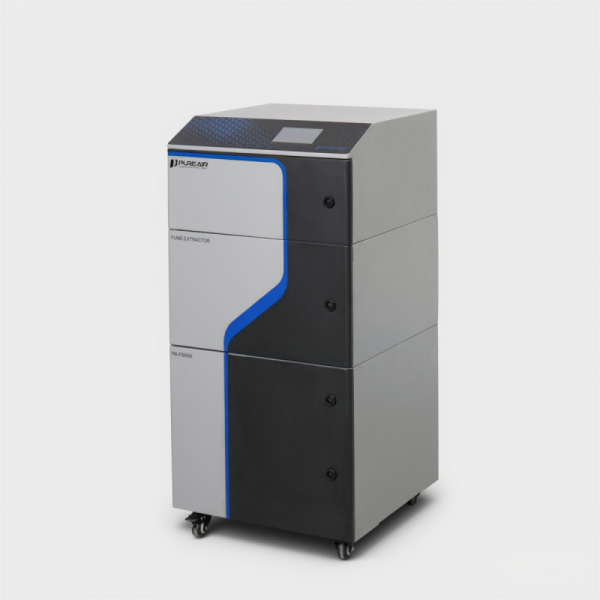
Real-world impact?
Take one recent retrofit I advised on: adding targeted source capture and a modest control panel cut filter replacement costs and improved indoor air by measurable micrograms per cubic meter — staff reported fewer headaches, and management saw fewer stoppages. — funny how that works, right? Going forward, edge monitoring and modular filters (easier swaps, predictable lifespan) will be the norm. We’ll also see better integration with job queues so extraction scales with process intensity.
To sum up: you want measurable capture, easy maintenance, and systems that people actually use. Evaluate units by capture efficiency at source, long-term operating cost, and how well they fit your workflow. I’ve worked with systems that check those boxes — and I’ve watched others fail because they ignored the human side. If you want a reliable partner in this space, consider brands that design for shop reality and serviceability — like PURE-AIR.