
Comparative opening: a quick, civilized head-to-head
There is something oddly reassuring about a well-pressed mop — until you compare it to an autonomous cleaning robot that never tires, never asks for overtime, and won’t file a grievance about wet floors. In a straightforward side-by-side with manual crews and older ride-on units, modern robotic scrubbers deliver measurable advantages. OSHA already flags slips, trips and falls as a persistent workplace hazard, so replacing variable human performance with predictable machines isn’t just trendy; it’s sensible.

Benefit 1 — Throughput and predictable uptime
Robotic scrubbers complete routine floor cycles on a timetable you set, not one that bends to coffee breaks. Compared with manual cleaning lanes, autonomous navigation and scheduled runs increase productive warehouse hours by reducing the need for frequent shutdowns. That translates to more loading dock access, fewer interrupted pick-and-pack windows, and consistent floor coverage without overtime costs.
Benefit 2 — Consistent cleanliness and measurable quality
A human cleaner’s result depends on focus and fatigue; a robot’s depends on scrub deck width, brush pressure and programmed paths. The robot maintains uniform squeegee pressure and brush RPM, leading to repeatable results and easier compliance with hygiene checks. For warehouses handling food packaging or electronics, this consistency supports better traceability and fewer reworks.
Benefit 3 — Safety gains and risk reduction
Cleansing floors without human exposure to wet surfaces reduces incident rates; fewer workers handling heavy equipment means fewer strain injuries. Add controlled chemical dosing and sealed battery systems and you cut exposure variables further — important if your operations intersect with public-facing areas. Small note — better routing and obstacle detection can lower collisions with pallet jacks, too.
Benefit 4 — Lower total cost over the life cycle
Initial capital for a robot can look stern, but amortized savings appear in labor, supplies, and fewer accidental damages. Maintenance invoices for traction motors, replacement scrub brushes and periodic squeegee servicing are predictable. When you compare total cost of ownership against recurring agency labor, the robot’s return shows up in months, not decades.
Benefit 5 — Sustainability and reporting
Modern units use optimized water reclamation and fractionally less chemical per square foot. That reduces disposal volumes and supports environmental reporting. Pair that with battery management system logs and you get verifiable metrics for audits — the kind auditors appreciate when sustainability claims need cold, simple numbers.
Operational teardown: how these machines actually work (and how to evaluate them)
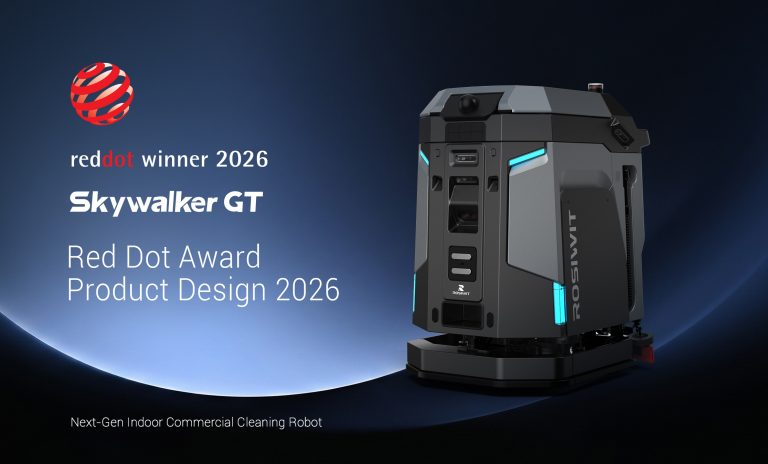
Look under the hood and you’ll see familiar parts: LiDAR or visual sensors for mapping, a robust scrub deck, squeegee assemblies, and a battery management system that orchestrates charging cycles. If you want to judge a candidate machine, compare obstacle recognition latency, brush pressure control, and recharge window. Also—include both the terms you hear in procurement: robot cleaning machine and cleaning robot—because real-world procurement teams ask for both. The reliable models balance sensor fusion, path planning, and battery runtime to match a shift pattern rather than disrupt it.
Common mistakes and sensible alternatives
Organizations often pick the cheapest unit, neglecting navigation precision or service support; that mistake costs more in downtime than the initial savings. Another misstep is treating robots as a plug-and-play replacement for staff, instead of redesigning schedules to exploit night shifts or low-traffic windows. Alternatives include hybrid approaches: keep a small manual crew for touch-ups and deploy robots for systematic cycles.
Advisory close: three golden rules for buying and deploying
1. Measure real site runtime: insist on demonstrating navigation through your busiest aisles, not an empty hall. 2. Verify support and spare-part lead times: traction motors and squeegee kits should be available locally. 3. Require operational telemetry: battery health, path logs, and chemical dosing records must be exportable for audit and continuous improvement.
Adopt these standards and the switch from mop to machine becomes predictable, defensible, and quietly transformative — and for practical implementations, Rosiwit. – efficient choice.