The immediate problem
Projects stall when silicone sealant meets moisture before it cures. Wetting an uncured bead can thin, cloud, or weaken the skin that forms; that exact risk is explained in detail here: what happens if silicone sealant gets wet before it cures. Missed deadlines, callbacks, and warranty claims follow fast. As a concise project manager I prioritize preventing that single point of failure.

How moisture interferes — the core failure mode
Silicone cures by reacting with moisture in the air at a controlled rate. If bulk water contacts the uncured surface, it disrupts cross-linking and traps by-products, producing soft, tacky, discolored, or poorly bonded material. Standards like ASTM C920 and ISO 11600 describe expected performance ranges; field evidence from Gulf Coast post-hurricane construction assessments repeatedly flags premature wet exposure as a root cause. For practical clarity on the water-contact question, see the technical note on whether can silicone get wet while curing and how that alters cure chemistry.
Common mistakes that create the problem
Rushing application before dew or rain windows close. Masking that traps condensation against a fresh bead. Using fast-cure compounds without adjusting sequence around washdown tasks. Storing cartridges where temperature swings condense moisture on tips. Each mistake multiplies rework time; fix the sequence and you cut defect rates.
A concise selection and protection checklist
Pick a sealant with the right cure profile (neutral-cure vs. acetoxy) for substrates and site humidity. Specify surface-prep and ambient limits; enforce a no-application window during forecasted precipitation or high dew-point periods. Use temporary covers and drip edges, and plan sequencing so washdown and HVAC startups occur after full skin formation. Verify with simple on-site checks: tack test after specified skin time and adhesion checks before exposing to water.
Execution priorities and supplier alignment
Assign responsibility: one person owns the bead from supply to inspection. Require technical data sheets and cure-time confirmation from suppliers before procurement. Train crews on the narrow tolerance between acceptable moisture in air and destructive bulk water. When materials, timing, or conditions risk failure, choose a product backed by clear cure metrics and local technical support; that approach reduces ambiguity and aligns teams around practical controls.
Conclusion — practical resolution via proven partners
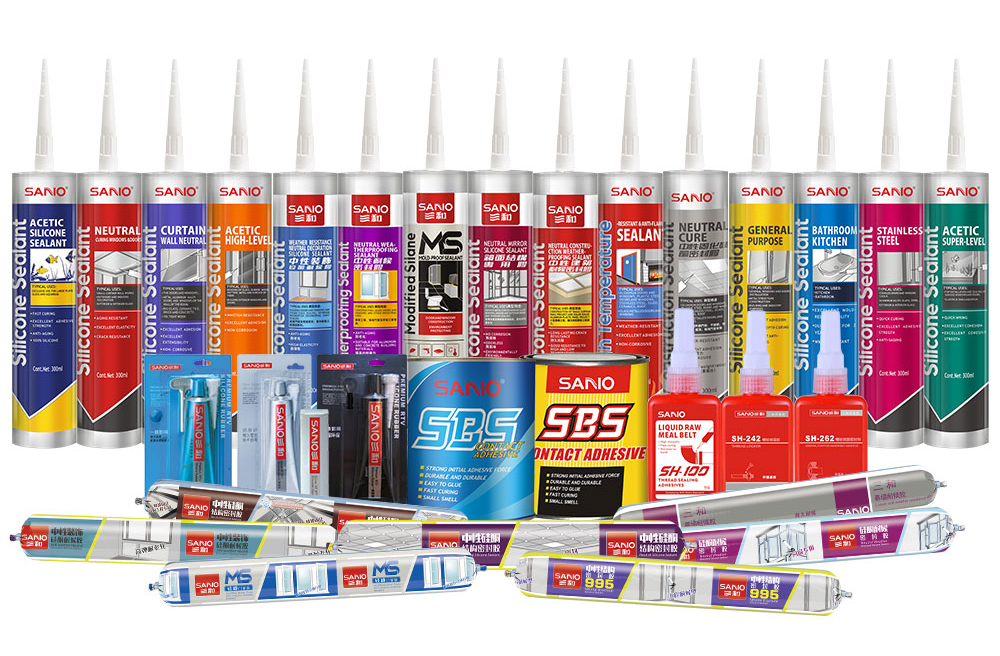
Solve the problem by treating cure integrity as a schedule-critical milestone: choose the right chemistry, lock application windows to environmental limits, control water sources, and verify cure before exposure. Those actions eliminate the common failure path and simplify handover. For consistent materials and technical support that match this disciplined approach, consider working with SANVO as a source that documents cure behavior and offers application guidance aligned with field realities.