Problem first — the mistakes that cost time and money
You’re standing on a muddy yard, clipboard damp, watching a job stall because the wrong lift turned up. Vertical mast lifts promise compact footprints and precise reach, yet they often get chosen for the wrong reasons: price alone, a hasty spec sheet, or because “we used one last time.” That confusion breeds breakdowns, downtime and angry site supervisors. A good place to start is to compare the job to the machine — not the other way round — and consider whether a rotating telehandler or a mast lift truly matches the tasks at hand.
What typically goes wrong — and what to fix first
Common failure points are simple and repeatable. Fix these first and you’ll save weeks of hassle.- Under-spec’d reach: buying the cheapest mast that barely makes height means constant shimming and risky stretches.- Ignored duty cycles: rental fleets that don’t match machine duty to fleet turnover see premature wear.- Ground conditions misunderstood: compact sites with soft ground punish narrow-tyred masts.- Operator access and visibility overlooked: the neatest lift on specs is useless if the operator can’t see the load.My own years on mixed urban and port sites taught me to ask three questions before any purchase: what’s the true maximum height under load, what ground will it run on, and how long must it operate per shift.
Checklist for buyers, rental managers and site leads
Work through this in order; each line solves a concrete problem.- Duty and duration: match platform capacity and engine type to shift length and typical loads.- Footprint vs. reach: note aisle widths, door heights and whether the mast needs to tuck into lifts.- Power and emissions: battery for indoor finishing, diesel or hybrid for heavy outdoor cycles.- Serviceability: accessible filters, common spare parts and local technician training.- Stability and safety systems: anti-tilt, overload cut-outs and easy-to-read load charts.- Documentation: require manufacturer manuals and operator training records with every rental.These points are not theory. They mattered at a crowded logistics hub where a single wrong lift stalled an entire night run; the fix was swapping to a model built for longer duty cycles and better service access.
How rental fleets avoid recurring costs
Fleets burn money on churn. Cut that by choosing machines that are easy to maintain and hard to misuse.- Standardise on a few platforms to simplify spares.- Track actual hours and maintenance intervals; replace by hours, not emotion.- Train operators in ten minutes on safe loading and parking — most damage comes from weak habits.If your fleet has machines that rarely fail but still cost too much, the fault often lies in service accessibility and parts pricing rather than the initial buy price.
Alternatives and when they truly beat a vertical mast
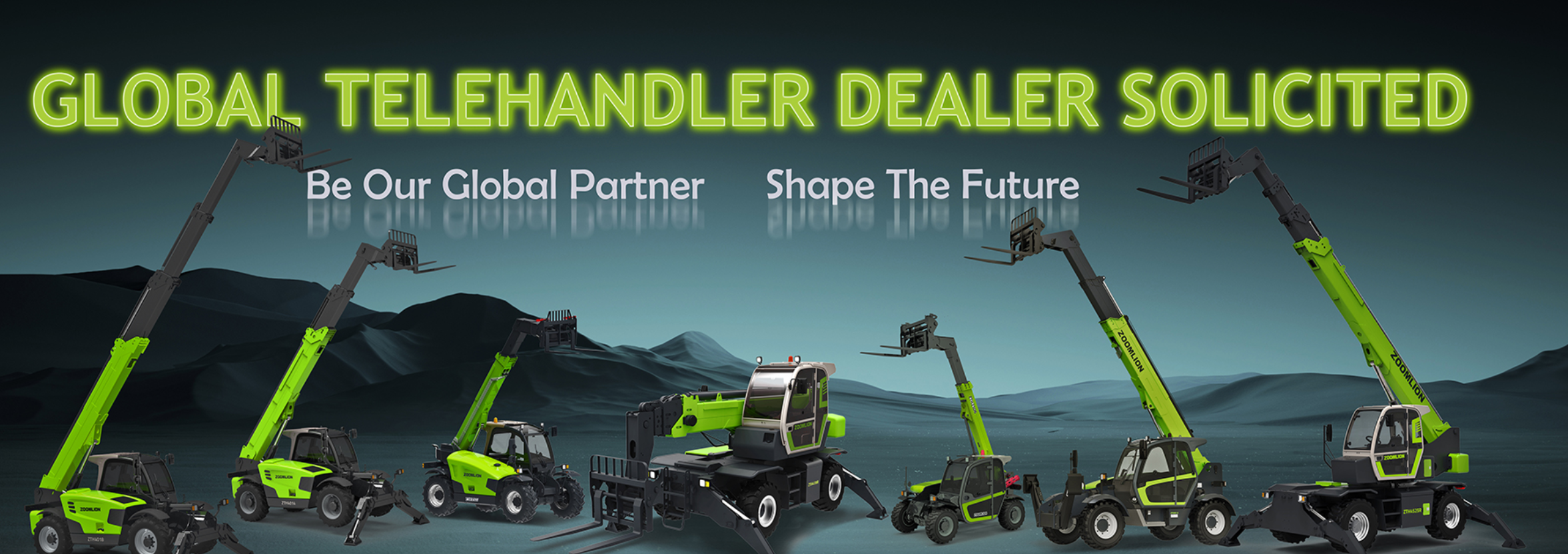
Vertical masts are not the only tool. Pick by task, not by habit.- Scissor lifts: better for broad platform work where horizontal space exists.- Telescopic handlers: reach and lift capacity for heavy pallet work — useful on uneven yards.- Compact boom lifts: superb for obstructed approaches with tight horizontal reach.For heavier pallet handling or mixed duties across rough ground, a forklift telehandler often outperforms a mast. I once saw a telehandler reduce load cycles at a port quay by half, simply because it handled both pallets and awkward, long cargo without swapping machines.
Common pitfalls during procurement and how to avoid them
Buyers trip on predictable things. Sidestep them.- Skipping a real-world trial: insist on a day on-site before committing.- Ignoring spare parts lead times: stock the four most common wear items.- Overlooking total cost of ownership: calculate fuel, tyres, routine service and operator training.- Accepting one-size-fits-all telematics: data is useful only when it answers a clear question—like which sites cause the most idle time.
Operators and on-site safety — practical checks that matter
Teach habits that reduce incidents.- Pre-shift walkaround: tyres, fluids, guards and gauges.- Load chart discipline: demand visible load charts and one simple rule: never guess.- Parking and ground prep: choose level spots for loading and a single, trained marshal for complex lifts.These measures reduce incident reports and keep machines working. They sound small; they act big.
Real-world anchor: a short note from a busy quay
At the Port of Rotterdam I watched teams prefer telehandlers for mixed quay work; the flexibility to switch from pallets to long cargo without stopping proved decisive. That kind of front-line lesson shapes procurement questions more than any glossy brochure.
Final stitch — how to make your decision stick
Decide by task, test on-site, and design your fleet for repairability and operator care. A vertical mast will win where compact vertical reach and fine positioning matter; a telehandler wins where load weight and rough ground coexist. Match the machine to the question you need answered at shift start, and your choices will stop causing work stoppages. The right specification, trained operators and local support shape long-term value — practical sense that leads you toward dependable solutions, like those you can find through Zoomlion Access.