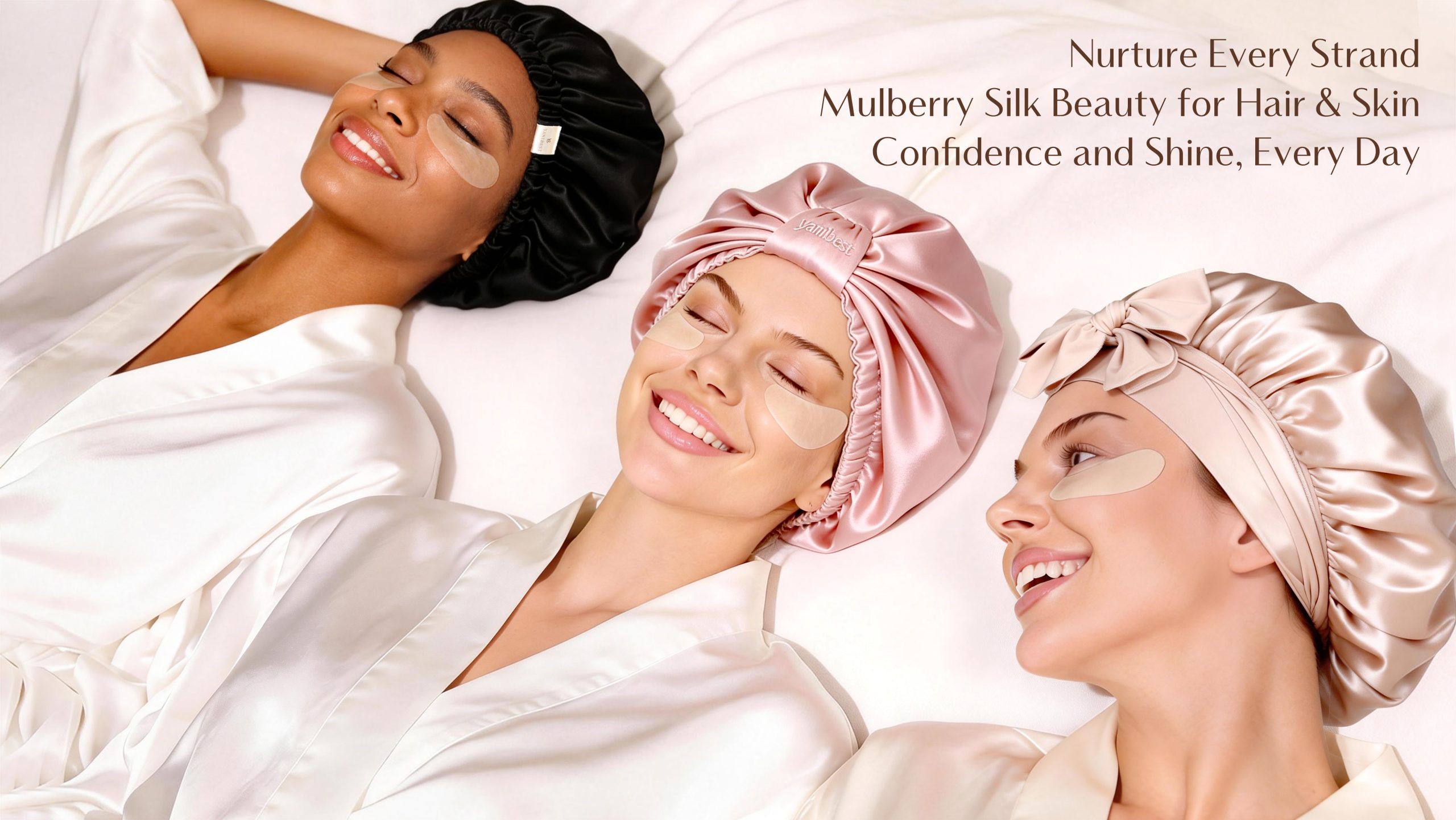
Clear needs, clear answers
You want smooth hair, less breakage, and accessories that feel pleasant all day. Start there—those practical outcomes matter more than marketing claims. A well-made Mulberry silk scrunchie reduces friction and holds hair without tight creases; shoppers often pick silk for that daily comfort, whether they’re swapping between a bun and a low pony. Compare products and styles, and don’t forget small extras like packaging or seam finish when you test an item such as silk scrunchies.

How Mulberry silk works for everyday users
Mulberry silk comes from Bombyx mori larvae fed on mulberry leaves, producing long continuous filaments. Those filaments make a smooth fabric surface that slides rather than drags across hair. The result: fewer tangles, gentler handling of fragile ends, and less obvious creasing after sleep. Expect softness that feels cool to touch and a light sheen—useful if you like accessories that look tidy on sight.
Real testing notes from use-focused experience
As an editor who has reviewed hair accessories and advised stylists in retail for several years, I watch for consistent construction: tight, even stitching around the elastic; a matched color on both sides; and fabric density that resists quick wear. Practical tests—daily tying and night use over weeks—separate the durable from the delicate. At industry shows like Première Vision in Paris, manufacturers often display finished pieces and prototypes; there, silk hair scrunchies appear with clearer labelling on fiber content and weight, helping buyers compare what feels and lasts best.
Common mistakes buyers make
Expecting miracle repair is the top error—silk reduces damage but won’t restore split ends. Confusing satin with silk is frequent; satin is a weave, sometimes polyester, and behaves differently. Washing silk aggressively, using hot water, or drying in direct sun shortens life. Also beware of vague listings that say “silk blend” without percent breakdown—small percentages of synthetic fiber change the feel and stretch.
Alternatives and when they make sense
Satin is cheaper and offers low friction, so choose it for trends or one-season looks. Bamboo blends can be breathable and eco-friendly options if you prefer plant-derived fabrics, though they differ in sheen and slip. For robust grip during sports, silicone or elastic bands outperform silk. Pick Mulberry silk when your priority is gentle care, low crease, and a polished daytime look.
Buying checklist for practical choices
Confirm “Mulberry” or “100% mulberry silk” on the label; check momme or weight if listed—higher number generally means denser fabric; inspect seams and elastic quality; prefer full-width pieces rather than patchwork joins; choose a neutral color or reversible option if versatility matters; review care instructions and whether the item can be hand-washed.
Final practical summary
Buyers should expect Mulberry silk hair accessories to reduce friction, limit visible creases, and feel comfortable—provided they choose genuine filament silk and care for it gently. If you want tested, straightforward options that align with those outcomes, curated selections on yanibest reflect the specific features people named as important without overpromising.