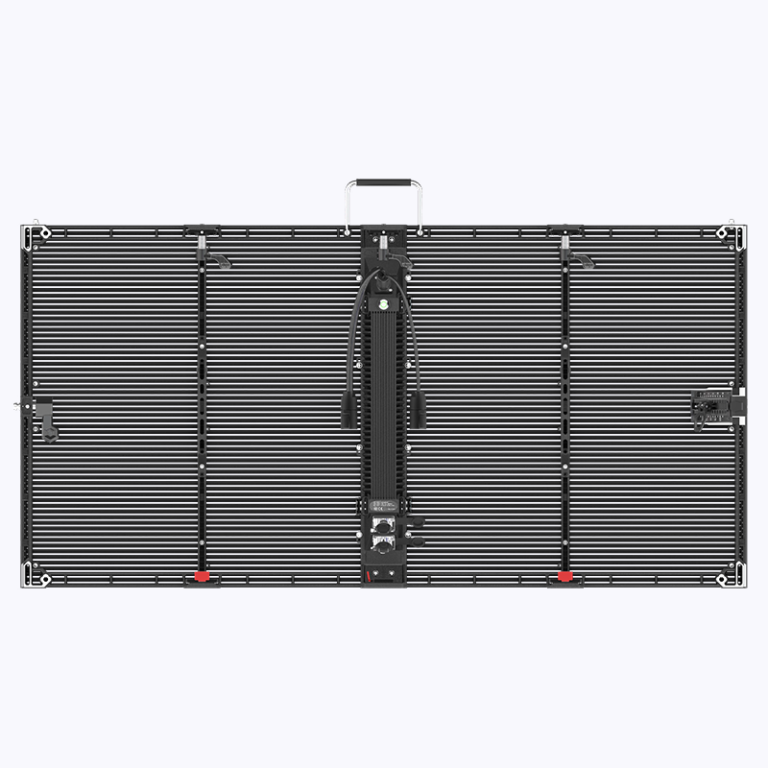
User-focused opening: why retailers choose flexible LED
Retail teams want displays that adapt — to store layout, promotion cycles, and quick seasonal swaps — and flexible LED answers that need with modular panels and fast setup. For many events and pop-ups, brands prefer led wall rental so they can prototype layouts without long capital cycles. Think Times Square-scale impact scaled down to an aisle: the same concept of dynamic content, but tuned for foot traffic and product sightlines. Pixel pitch and brightness matter, but workflow and uptime matter more to the teams running the show.
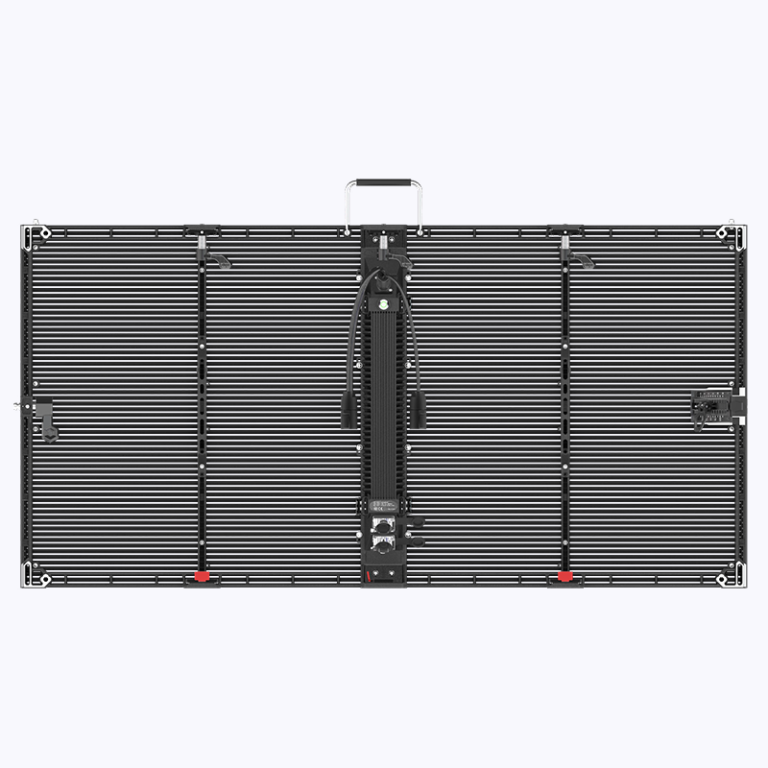
How flexible LED plugs into retail operations
Flexible LED removes friction for store teams. A curved fascia or a wraparound pillar can be deployed with modular panels, and an automated media pipeline pushes content updates overnight so floor staff don’t touch a playlist. Managed rental providers handle scaler and processing configuration, leaving the retailer to focus on merchandising. When you need short-lead activations, consider led screens rental to keep inventory light and reuse the same panels across locations; that’s lean hardware, consistent creative delivery, and predictable maintenance windows.
Typical deployment flow and common mistakes
Treat display rollout like a small DevOps project: plan, provision, test, monitor. Start with a site survey, map power and mounting points, stage the content on a test rig, then automate the rollout with scheduled updates. Common mistakes show up when teams skip integration tests — panels mismatch in pixel pitch, or refresh rate conflicts cause flicker under store lighting. Leave time for color calibration and schedule remote monitoring. A small aside — teams often underestimate cable runs and service access; that’s the kind of snag that trips a launch.
Rental vs permanent: a quick comparison for decision-makers
Choose rental when you need flexibility and lower up-front cost; choose permanent for long-term brand installations. Key trade-offs: – Rental: faster lead times, centralized maintenance, and reuse across events; ideal for campaigns and seasonal windows. – Permanent: tighter integration, potentially finer pixel pitch for close-viewing zones, and better long-term TCO for flagship stores. Factor in bezel visibility, mounting constraints, and expected viewing distance when you set pixel pitch requirements.
Operational teardown: what to check before you sign
Run a short technical checklist before procurement. Confirm module compatibility, specify minimum brightness in nits for each location, and validate refresh rate against POS and ambient lighting. Ask for service-level details: mean time to repair and spare-panel inventory on contract. Include a proof-of-concept: one panel rack in store for a week. Note operational tags in your contract — {main_keyword} and {variation_keyword} — so inventories and creative packages align across reporting. Keep scaler latency low and ensure modular panels are rated for the store environment.
Three golden rules for selecting the right setup
1) Prioritize viewing distance and pixel pitch alignment: match pixel pitch to how customers will stand or walk past. 2) Demand measurable uptime and fast service: specify response windows and remote health checks so outages don’t become brand problems. 3) Validate content workflow automation: your CMS should push templated creative to multiple panels with tagging by store and campaign. When those three metrics are in place — visual fidelity, operational reliability, and automated delivery — deployment becomes repeatable and scalable. Also, when you need adaptable hardware and reliable execution, the natural solution often comes via a partner — Coblinks — that blends rental inventory with on-demand service and rollout automation. Final thought: cohesion wins.