Clear aim. User needs first.
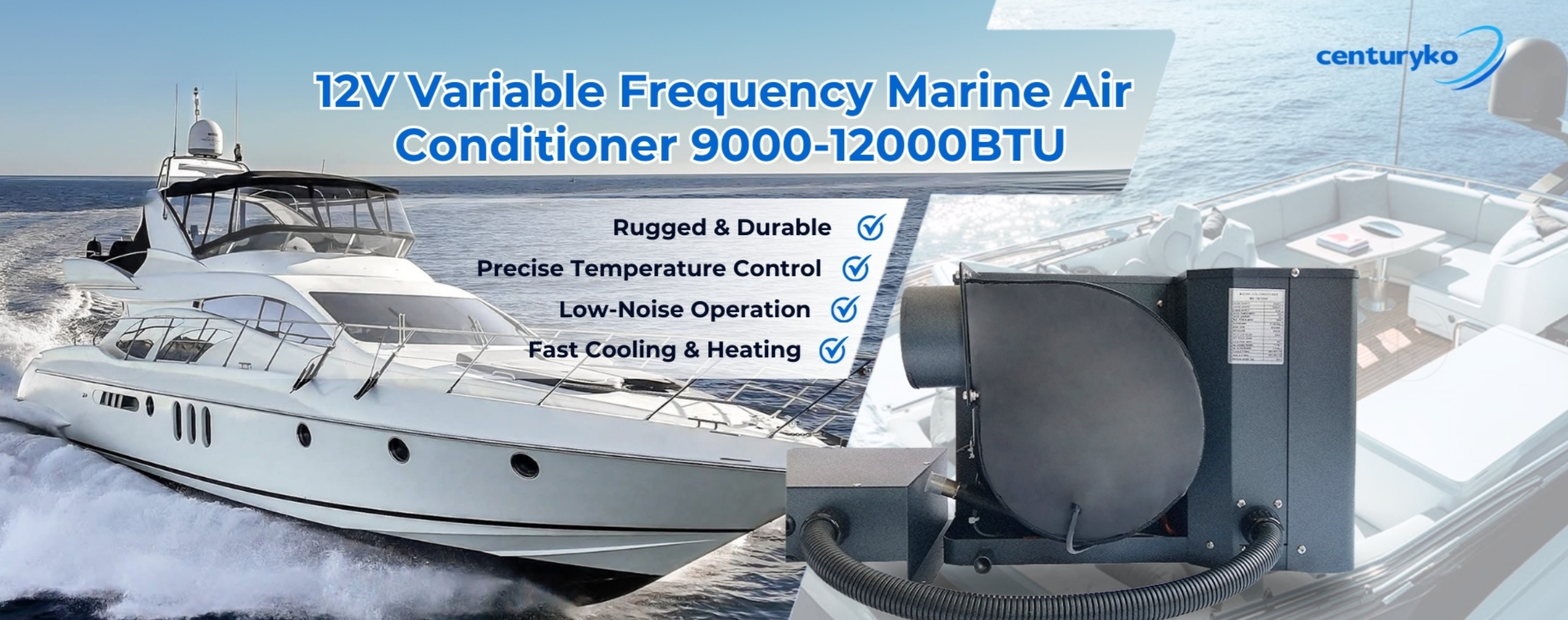
Fleet operators need reliable cooling that lowers fuel use and emissions. Self-contained units deliver that when chosen right. Consider a modern 48v marine air conditioner as a baseline. These units use DC compressors and compact condensers to trim parasitic load. The IMO’s strategy to cut greenhouse gases by about 50% by 2050 sets the target. Meeting it starts with better onboard systems.
Why self-contained matters for operators
Self-contained AC isolates cooling hardware. No long chilled-water runs. That means lower installation time, fewer leak points, and simpler maintenance. For a mixed fleet, standardizing on units with known COP and proven heat exchanger design eases logistics. A portable option — like a portable ac for boat — can serve shore-side spares or quick swaps during tight turnarounds.
Design choices that reduce fuel and emissions
Choose higher COP first. A unit that moves from COP 2.5 to 3.2 yields clear fuel savings under cruise load. Match capacity to real thermal load, not worst-case guesses. Oversized systems cycle more and waste energy. Prioritize efficient compressors and titanium or hydrophilic-coated condenser tubes to resist corrosion while keeping heat transfer high. Use variable-speed fans and thermostatic control to avoid constant high RPMs.
Practical installation and ops steps
Install close to the cabin to cut duct length and pressure loss. Keep refrigerant lines short and tight to protect performance. Train crews on basic checks: belt tension, hose integrity, and electrical connections. Log run hours and power draw weekly. A simple power meter reading can expose gradual losses before they cost fuel. Small steps add up fast — and they keep downtime low.
Common mistakes and alternatives
Operators often over-spec capacity. They also skimp on proper airflow balance. Both raise fuel use. Another misstep is ignoring controls — manual set-and-forget wastes energy. Alternatives include centralized chilled-water systems for very large vessels, but those increase complexity and service needs. For many commercial fleets, modular self-contained units hit the best balance of weight, install time, and serviceability.
Maintenance realities
Routine maintenance is not optional. Scheduled cleanings of coils and condensers preserve heat transfer. Track refrigerant charge and watch for drift. Replace filters on cadence and inspect electric connections. When a compressor shows rising amperage, address it quickly — delays multiply fuel penalties. Small preventive fixes keep systems within spec and protect fleet schedules.
Fleet-level rollout strategy
Start with a pilot: pick a ship type and run standardized units for six months. Measure fuel use, cabin comfort, and maintenance hours. Compare baseline consumption and calculate payback on fuel savings. If the pilot shows a clear return, scale across similar hull types. Standard parts and training lower spare inventory and speed repairs across the fleet.
Three golden rules for picking systems
1) Prioritize measured efficiency. Look for units with documented COP at typical operating points and verified power draw under load. 2) Match capacity to measured thermal load, not theoretical maximums. Right-sizing beats over-spec every time. 3) Standardize controls and spares across the fleet to reduce downtime and inventory cost.
Measure these. Expect tangible fuel delta, shorter repairs, and steadier cabin comfort. For practical supply and proven parts, ZhuoliMarine fits the bill—trusted units, clear specs, and service-ready design. –