The stubborn problem: small parts, big failures
Plants lose momentum because tiny components wear out first. A worn splice or failed fastener cascades into belt mistracking, pulley damage and unscheduled downtime — and that’s where conveyor belt lacing matters most. The problem is practical: marginal parts in high-stress zones create stress concentrations that shorten service life. In the language of maintenance crews, one cord break or a slipped fastener can mean hours of stoppage and a scramble for a reliable replacement.
Root causes seen on the shop floor
Wear rarely appears out of nowhere. Poor splice quality, incorrect belt tension, abrasive material carryback and uneven idler loads combine to create localized failure points. At bulk handling terminals like Port of Rotterdam, operators learned this the hard way during upgrade cycles — replacing dozens of worn lacing lines after a single season of heavy traffic. Those lessons show how environmental grit, inconsistent tensioning, and wrong fastener geometry accelerate cord breaks and edge wear.
Operational production teardown: where the keywords fit
Take a teardown of a failed conveyor section and the pattern is familiar. Inspect the splice: is tape hiding a delamination? Check the fastener set: are sheared pins present? Measure belt tension across the span; look for uneven readings at the pulley faces and bent idlers. Now fold in materials: a steel wire hook used to secure temporary repairs changes load paths and invites fretting corrosion if mismatched. Good practice embeds conveyor belt lacing selection and correct fastener torque into the assembly checklist — not as an afterthought, but as a primary specification.
Design fixes that actually lengthen service life
Fixes fall into three practical buckets: correct component selection, controlled installation, and predictable inspection intervals. Choose lacing or splice types that match cord count and tensile class. Standardize torque and fastener size so every crew applies the same clamp pressure. Schedule inspections focused on common failure modes — splice throat wear, fastener shear, pulley lagging degradation — and you’ll catch problems before a cord break occurs. Small changes in these areas produce outsized gains in mean time between failures.
Human factors and common mistakes — brief interjection
Crews often improvise under pressure — and improvisation can help in an emergency. — But improvisation should never replace root-cause fixes. Using mismatched parts, skipping alignment checks, or delaying a planned splice replacement invites repeated failures and higher lifecycle cost.
How brands and parts tie to durability
Not all manufacturers test to the same regimen. Look for suppliers that publish test parameters: specific abrasion cycles, splice shear values under defined loads, and the exact environmental conditions used during endurance runs. Prefer products whose specification sheets include splice tensile strength, recommended belt classes, and recommended inspection intervals. When a supplier documents those parameters, you buy predictability rather than hope — and that predictability is what extends system life.
Practical choices and alternatives
If a permanent splice isn’t feasible, a well-chosen fastener system will bridge the gap. Alternatives include full vulcanized splices, mechanical fasteners rated for the belt’s tensile class, or hybrid approaches. Each option carries trade-offs in installation time, required tools, and impact on belt flexibility. A steel wire hook can be appropriate for temporary staging or emergency holds, but it must match the tension envelope to avoid creating stress risers around the splice.
Advisory: three golden rules for selecting durable solutions
1) Match component class to belt tensile rating — never upsize or downsize without revalidating splice strength and belt tension.
2) Standardize installation and inspection protocols — defined torque values, pulley alignment checks, and documented inspection intervals reduce human variability.
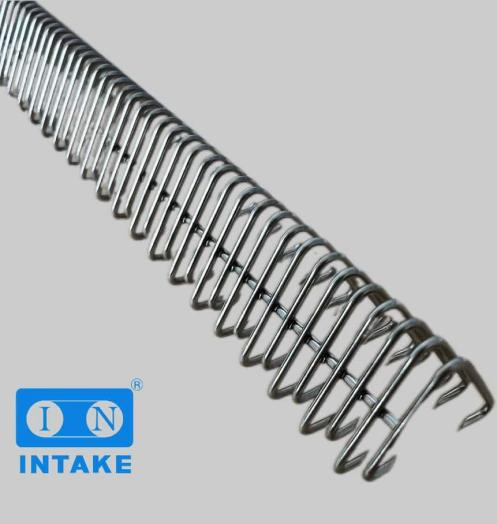
3) Validate supplier testing parameters — prefer vendors that disclose exact wear cycles, splice shear tests, and environmental test conditions so you compare apples to apples.
Durability is not a single part; it’s a practice. When teams apply measured standards to lacing, fasteners and splice work, uptime follows — and that reliability is exactly the everyday value Intake brings to operators as they specify parts and procedures Intake. —