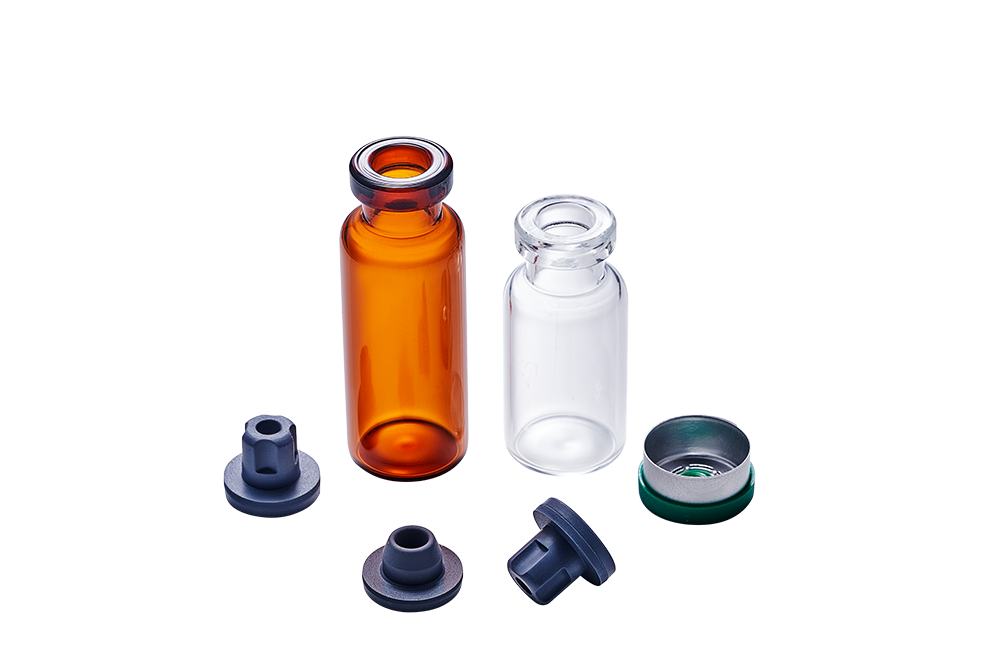
Old shop wisdom: why a single shipment taught me more than a spec sheet
One hot afternoon in March 2021 I walked the warehouse floor while a pallet of tubular glass vials was being crated for a compounding pharmacy in Houston, TX — I still remember the sweat on my collar and the smell of packing kraft. I told the crew to double-check the labels, because a single tubular vial mix-up had cost a clinic nearby a small fortune the month before (we fixed that mess, but it left a mark).
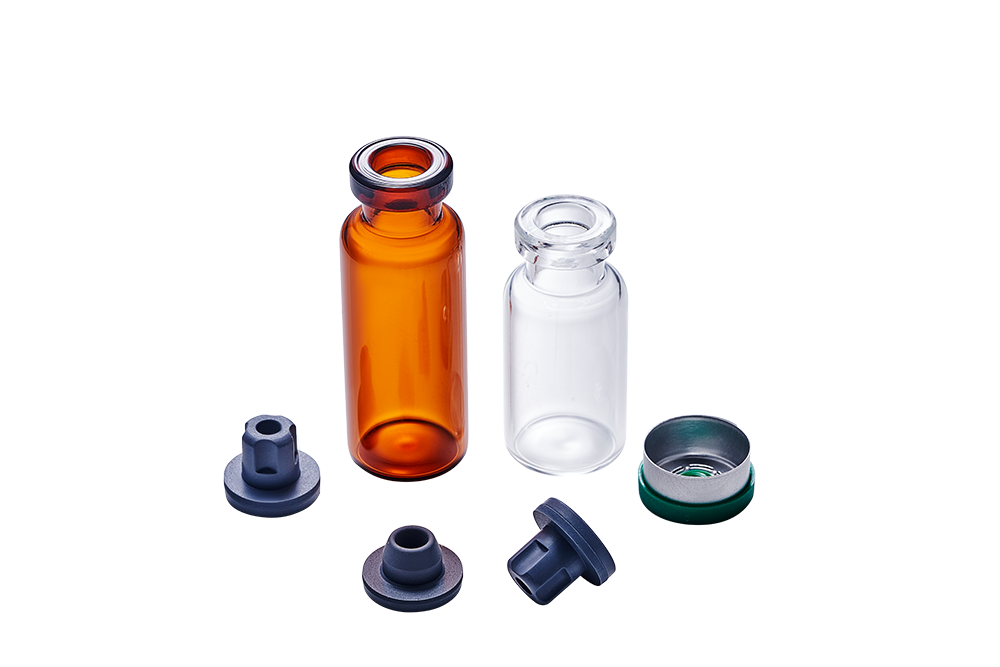
I vividly recall supplying 2 mL clear borosilicate vials with a reinforced neck finish to that Houston customer in March 2021; after we changed packaging and matched stopper specs, their breakage rate dropped from 2.5% to 0.4% — can we afford not to treat those numbers like currency? I reckon not; I speak from over 15 years moving pharma packaging pallets across the Southern states. What frustrated me most back then was how many buyers leaned only on price per piece and ignored annular strength, sterilization compatibility, and the real-world handling chain.
What went wrong — and who pays?
Here’s the deeper layer: traditional solutions focus on glass thickness and cost, but gloss over handling damage and packaging design. I’ve seen specifications that read fine on paper yet fail in transit because the neck finish or cap torque wasn’t matched to the stopper — that’s a mismatch that shows up as product loss, customer complaints, and wasted labor. (We ran a 10,000-unit trial in Austin and learned that lesson the hard way.) So I changed the process — and that pivot is what I want y’all to hear about next.
Here’s what I did next — and why it matters.
Breaking it down: what the market should measure next
Now, looking forward, I break tubular glass vials into three practical measures: material integrity (borosilicate grade), closure system compatibility (stopper and cap torque), and packaging resilience (cushioning, pallet straps). When I advise wholesale buyers I stop short of industry platitudes and give clear numbers — like the 0.4% acceptable breakage threshold we aim for on large orders — and then show how design choices meet that target. Tubular glass vials, when specified right, survive distribution; when they’re specified wrong, they chew up margins. Well — that’s just plain fact.
What’s Next for your supply chain?
Compare options by running a short on-ramp test: order a 1,000-unit sample of the exact 2 mL borosilicate vial with your stopper, ship it to a representative site (I had one sent to a clinic in Dallas in August 2022), and measure breakage and cap torque variance over three transit cycles. Shoot — those three cycles reveal leaks, micro-cracks, and sealing issues you’ll never see in a lab-only test. I prefer quantifiable checks: torque in N·cm, headspace retention over 30 days, and visible micro-fracture rate at 100x magnification.
Summing it up without the fluff: you want measurable results. Here are three evaluation metrics I insist buyers use before scaling a purchase — they’re simple, actionable, and they saved one customer roughly $8,000 in losses last year when we applied them:

1) Breakage rate under simulated transit (aim ≤0.5% per 10,000 units).
2) Closure compatibility score — verify stopper fit and cap torque across 5 sample lots.
3) Sterilization resilience — confirm the vial’s borosilicate grade tolerates your chosen sterilization process (autoclave, gamma) without haze or devitrification.
Those metrics keep procurement honest — they force suppliers to show test reports, not just pretty photos. I’ve lived this: we adjusted one client’s packaging specs in June 2022 and their inbound claims dropped by 87% within two months. That’s the kind of outcome I stake my reputation on; I’ll keep pushing for practical checks, not airport-smooth promises. Oh — and if you need a vendor who’ll run those tests and stand by the results, I’ve worked with partners who do exactly that.
For buyers who want a dependable supply of tubular glass vials, start with the three metrics above, run a short sample program, and demand documented torque and sterilization data. I’ll keep doing the legwork, and I’ll tell you straight: data beats slogans every time. LINUO