Introduction
Here’s the blunt truth: your energy plan doesn’t fail at the grid, it fails at the box on the wall. A charge discharge module is supposed to know when to sip, when to feed back, and when to sit still—and yet, rush hour at your depot still looks like a fireworks show for your utility bill. Picture 6 p.m., a line of EVs rolling in, SOC scattered, dispatch clock ticking. Data says peak rates spike up to 40% over off-peak in many urban hubs; converters lose 2–5% in heat; and switching delays in the tens of milliseconds stack into real dollars across a fleet (yes, pennies do multiply). So why do “smart” boxes still miss the window, introduce harmonic distortion, and shrug at demand response? Are we measuring the wrong things—or just pretending not to?
Let’s lift the lid and compare what’s inside, not what’s promised on the glossy sheet.
Where Traditional Designs Trip Over Their Own Wires
What keeps going wrong?
Legacy topologies look neat in block diagrams. In practice, their power factor correction stage, DC bus, and bidirectional inverter all want different things at different times—funny how that works, right? The control loop is tuned for steady loads, not for EVs that jump from trickle to ramp in seconds. Add a slow CAN bus heartbeat and you get response lag, spikes on the DC link, and thermal derating right when you need full tilt. A traditional unit will meet “nameplate” under lab conditions, then fold under real feeder noise, poor power quality, or a jittery schedule. Look, it’s simpler than you think: when total harmonic distortion climbs and power converters chase a moving target, your kWh goes sideways, your batteries age faster, and your peak-shaving math stops working.
The hidden pain points aren’t on page one. They appear as micro-outages and nuisance trips that kick modules offline during dispatch. They show up as slow ramp limits that miss tariff windows by five minutes. They hide in weak-grid behaviors—oscillation, poor reactive support, and jitter when edge computing nodes push new setpoints. And yes, thermal design matters: a heatsink sized for a pretty efficiency number at 25°C will derate hard at 38°C in a sunlit lot. Meanwhile, the control firmware treats “bidirectional” as an afterthought, so backfeed and charge don’t share a state machine with real priority logic. End result: compliance on paper, friction in the field, and a scheduler that babysits hardware instead of markets.
Comparative Outlook: What a Smarter Module Changes
Real-world Impact
Next-gen units tackle principles first, paperwork second. They use unified control loops that co-optimize the PFC stage and inverter, so bus voltage holds while ramps stay fast and clean. Grid codes aren’t bolt-ons; reactive power, droop control, and ride-through are core behaviors. The DC/DC and inverter share telemetry at sub-millisecond intervals, which keeps transient response tight. That is how a module can charge at 22 kW, flip to export in under a few cycles, and still keep THD low. The result isn’t just “efficiency”; it’s schedule fidelity. When the dispatcher says move, it moves—without jitter, without drama.
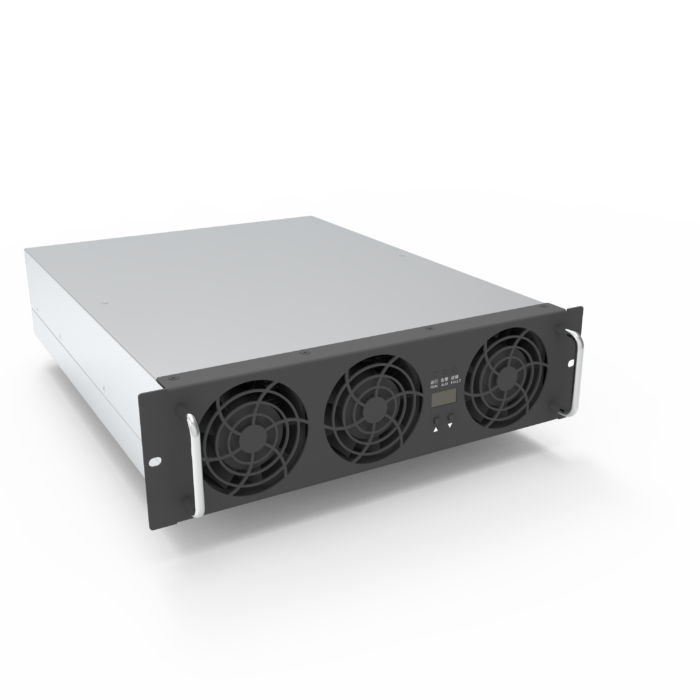
Consider a depot using the V2G Power Module for EV Charger across staggered stalls. One line follows a dynamic tariff; another absorbs rooftop PV mid-day; a third holds reserve for frequency events. With synchronized phase control and fast PLL lock, the site swings from charge to discharge while keeping feeder stress in check. Edge scheduling nodes push setpoints; the module enforces them with a tight current loop and conservative thermal envelope—then logs it in plain language (not cryptic hex). You get better round‑trip efficiency, fewer nuisance trips, and export that actually lands in the price window—funny how markets like punctual power, right? In short, this isn’t about brute wattage. It’s about coordination—hardware, firmware, and timing acting like a team, not a group chat.
How to Choose Without the Guesswork
When you compare boxes, don’t stop at the sticker. Use three simple checks. First, dynamic metrics: measure step response (0–100% load), bidirectional transition time, and THD under grid perturbations. Second, thermal honesty: demand a full derating curve, enclosure details, and forced-air assumptions at your actual site temperature. Third, control clarity: verify CAN bus latency, priority logic for export vs. charge, and how the unit enforces grid-support modes under real faults. If a module can pass those, the rest of the brochure can be decoration. Your payoff is fewer missed windows, smoother dispatch, and batteries that work smarter, not harder. For more context and ecosystem fit, see winline EV charging.