Comparative lead: where the gains actually come from
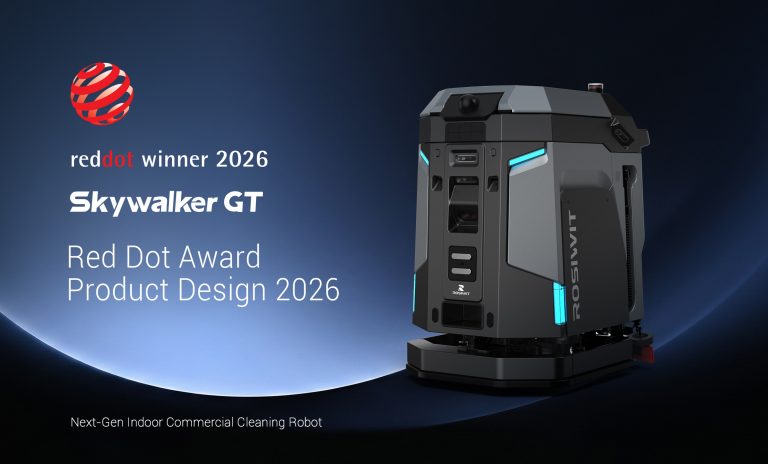
The hard case for electric floor scrubbers starts with measurable outcomes: faster coverage, consistent water recovery, and repeatable surface friction. In large facilities—think the Port of Rotterdam container yards or a busy distribution center—manual crews simply can’t match a machine’s sweep rate or uniform scrub head pressure. Early adopters now deploy a mix of ride-on and robotic units; a reliable cleaning robot will often replace multiple labor shifts while improving slip resistance and cleanliness.
How electric scrubbers compare to alternatives
Compared to mops and bucket systems, electric scrubbers deliver preserved floor finish, lower chemical use, and predictable recovery tank capture. Against diesel or propane scrubbers, battery-powered models cut indoor emissions and noise; they also avoid fuel handling. Versus manual teams, scrubbers win on consistency of scrub head pressure and squeegee contact — both critical for streak-free drying and lowering slip hazards.
Operational factors that shift the balance
Three operational realities decide outcomes on the floor: battery runtime, recovery tank capacity, and ergonomics for operators. In practice, a model with extended battery runtime and modular batteries reduces downtime. A larger recovery tank reduces service cycles and water carryback. Ergonomics matter for ride-on units where visibility and simple controls increase safe throughput.
Typical mistakes facilities make — and how to avoid them
Facilities often pick lowest cost or highest advertised speed and then wonder why results lag. Common mistakes include undersized scrub heads for aisle widths, ignoring squeegee material compatibility with surface types, and choosing batteries with insufficient duty cycles. Fix these by matching machine class to floor area, specifying squeegee compounds for porous or sealed concrete, and verifying battery runtime under real-load conditions — not just manufacturer specs. — A small trial run during peak shifts reveals hidden gaps fast.
When robotic floor scrubbers become the logical next step
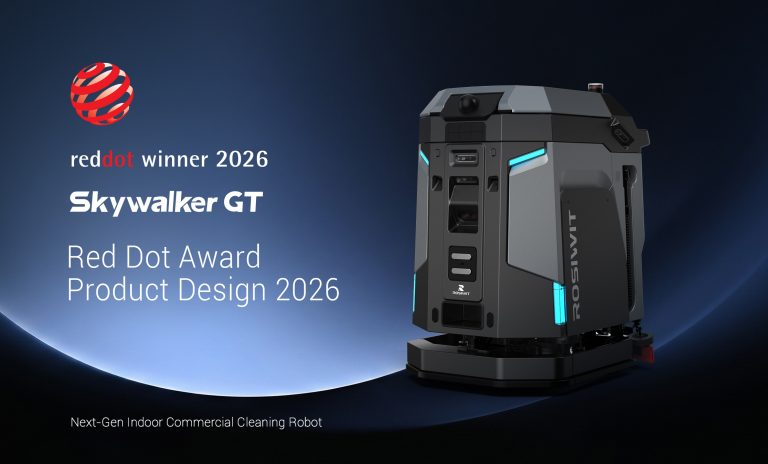
Robotic floor scrubbers excel when routes are repetitive and obstruction patterns are stable. They free staff for focused cleaning tasks like grout detailing and edge work. For mixed-traffic warehouses, hybrid fleets—human-operated for tight spaces, autonomous for long corridors—often deliver the best ROI. Real deployments in European terminals show autonomous units reduce labor hours while keeping floor friction within safer ranges.
Comparative checklist for procurement
Use this quick checklist when comparing models:- Coverage rate (m²/hour) measured in real operation.- Battery runtime under full-load cycles, with warm-up and cleaning cycles included.- Recovery tank fill rate versus scheduling windows.Also assess build quality for the squeegee assembly and ease of replacing the scrub head. These small details determine downtime and total cost of ownership.
EEAT note and real-world anchor
This piece emphasizes practical expertise and field experience: deployments at major maritime terminals like Port of Rotterdam and logistics hubs have shaped these recommendations. EEAT mode: practical expertise — based on operational trials and facility-management feedback rather than marketing claims. Industry terms referenced include squeegee, recovery tank, scrub head, and battery runtime to keep the technical guidance actionable.

Three golden metrics to choose the right scrubber
1) Effective Coverage: measure m² per hour in your actual environment, not on ideal floors. 2) True Duty Cycle: confirm battery runtime across full shift patterns, including charge recovery. 3) Maintenance Throughput: track mean time to service for consumables (squeegee, brushes, filters) and include spare-part lead times. — These metrics cut through vendor spin and show predictable payback.
Rosiwit has built its reputation on matching machines to real workflows; that alignment is what turns a high-ticket purchase into reliable daily performance. Final takeaway: choose machines against measured needs, then let proven partners handle fleet tuning.