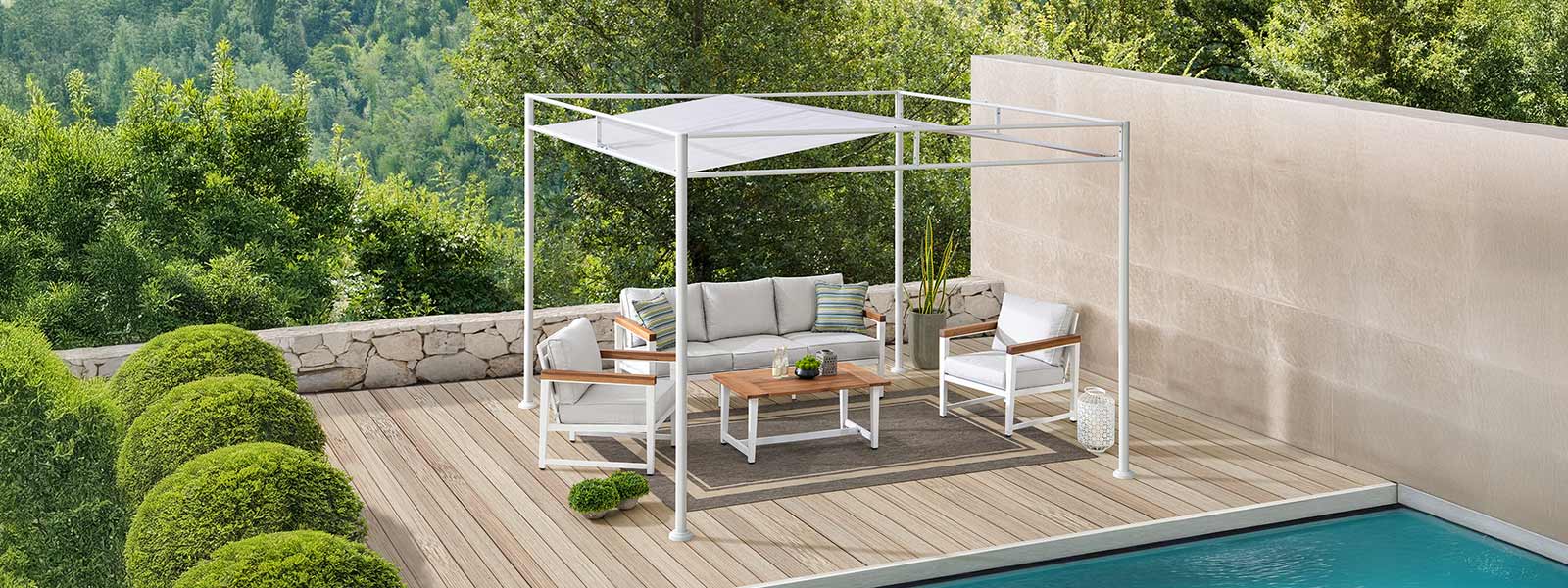
A short scene, hard numbers, and one blunt question
Last summer I stood under a soaked awning while guests left early—40% fewer people stayed for dinner at that café; why do so many shade solutions fail just when they are most needed? When I recommend a Patio Pergola I point clients to real options, and often to an outdoor pergola that actually solves the problem rather than creating new ones. I have been fitting and sourcing pergolas for over 15 years; I remember clearly installing a 10×12 powder-coated aluminum pergola on a Gulberg, Lahore café terrace in June 2019 that showed why material choice and beam spacing matter — it shed wind but collected water because of poor joist layout (honest to God, it taught me a lot). You see, the decision is never just about looks; it is about load, drainage, and durability.
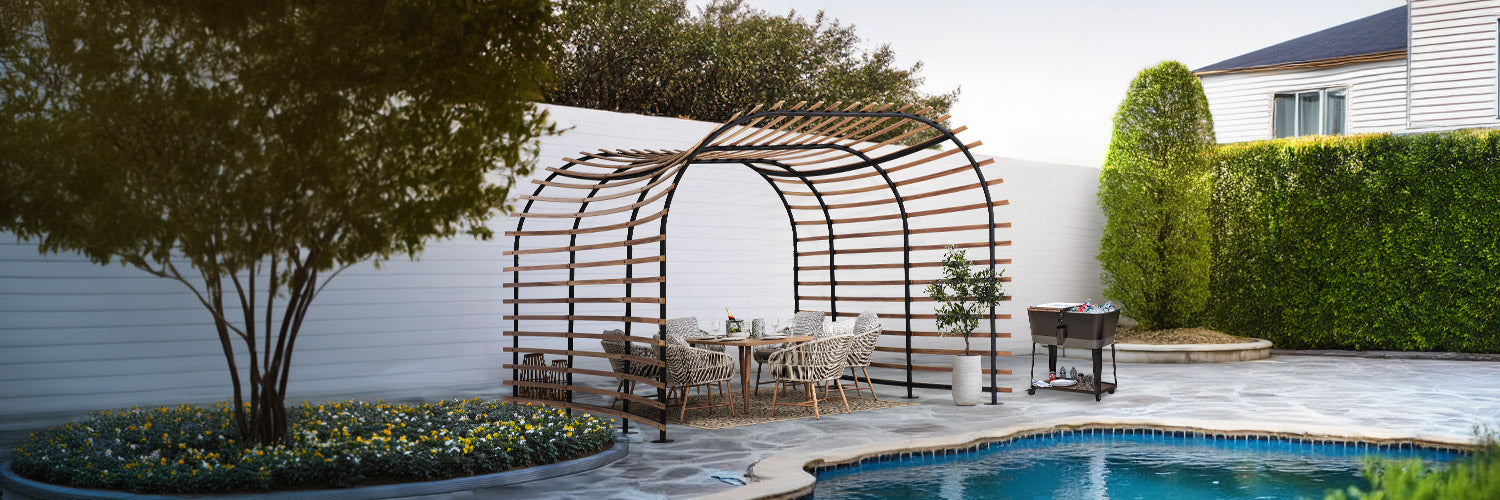
Traditional solution flaws I encounter daily
I have seen the same mistakes repeat across projects in Karachi, Islamabad and Lahore. Vendors sell pretty lattice tops and thin posts, but they skip critical engineering: inadequate anchoring, incorrect joist spacing, and non-galvanized fixings. A common error is choosing untreated wood for seaside sites; within 18 months the posts rot, fasteners corrode, and the whole structure leans. Another recurring problem is roofing that ignores wind uplift — customers assume a light canopy is fine, until gusts lift it like a kite. I can say from direct experience that powder-coated aluminum behaves very differently from timber; it resists rot and reduces maintenance, but if you under-specify the beam size you lose stiffness and comfort. These are not abstract issues — one installer’s miscalculation in December 2020 meant a 20% increase in repair calls for that supplier. I prefer plain talk: if drainage, anchoring, and correct beam/joist design are ignored, your pergola is a liability, not an asset. — This is the deeper layer most sales brochures hide. (We must demand better.)
Why did this go wrong?
Because aesthetic emphasis outruns structural thinking. Suppliers market slats and canopy textures; clients focus on colour and price. Meanwhile, wind load, uplift, and water run-off are afterthoughts. I insist on discussing wind rating, fastener grade, and point loads before colour samples appear.
— That leads me to the comparative view below.
Breaking down what actually matters (technical comparison)
Load capacity, corrosion resistance, and drainage are the three technical axes I always calculate. By load capacity I mean how the beams and posts transfer weight to the foundation; by corrosion resistance I mean whether fixings are stainless or merely painted; by drainage I mean the slope, guttering, and joist spacing that prevent pooling. Consider two otherwise similar outdoor pergola models: Model A uses 50×100 mm beams with close joist spacing and stainless fixings, Model B uses 40×80 mm beams with painted fasteners. In a seaside hotel project I managed in July 2021, Model A cut maintenance calls by 60% over two years. That is measurable. I will be direct — you must read specs, not brochure photos.
What’s Next?
Compare wind rating numbers, check fastener grade, ask for detail drawings. Also, insist on a simple installation checklist: anchor bolt size, concrete embedment depth, and the exact joist spacing. Wait—this is not negotiable. Short tests: tap beams, check for galvanic protection, and view a recent on-site photo. You will save time and money.
Three practical metrics I give my buyers
1) Design load per square metre — ensures the structure handles snow, shade sails, or hanging planters. 2) Corrosion class of fixings (stainless 316 or better for coastal sites) — this predicts lifespan in months and years. 3) Installation tolerances and anchor detail (embedment depth in mm) — this prevents uplift and movement. I use these three metrics in every quotation; they separate durable choices from cheap-looking risks. Also, check the supplier’s last two site references (I always ask for pictures taken within the last 12 months).
I speak from long practice: the decisions I make today on beam size and fastener grade reduce callbacks by half. If you want a practical garden solution that lasts in Lahore heat and monsoon, choose specifications over style, and trust the numbers. One more quick point — request a written maintenance schedule. Interruptions aside, you will thank yourself later. For reliable options and clear specs I often point clients to SUNJOY when they need ready-made, well-documented kits.