What you need right now
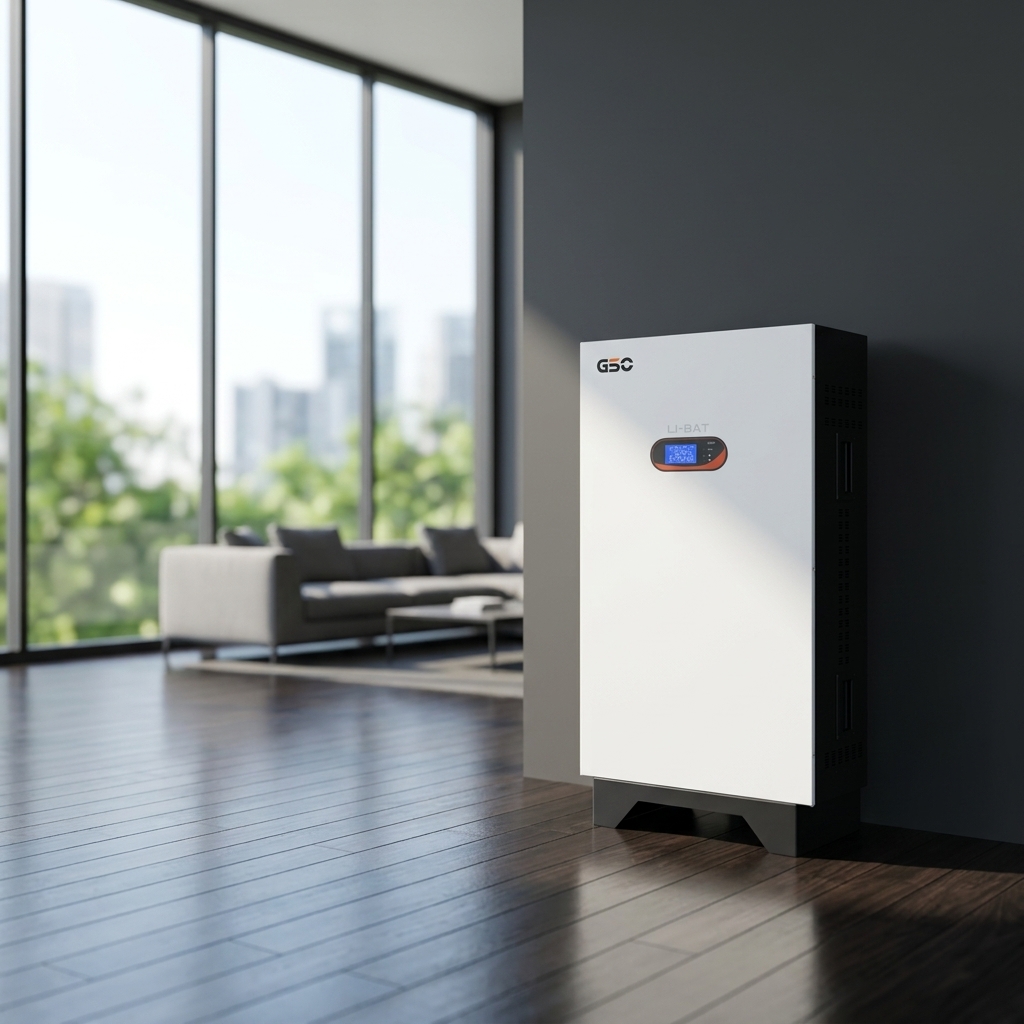
If you run solar at home, you want a battery that actually holds up when the grid doesn’t. That’s why real homeowners ask about runtime, safety, and the actual cost of ownership. I’ll cut to the chase: a reliable option is a whole house battery backup designed around LiFePO4 cells and a sensible battery management system (BMS). This isn’t theory — it’s about getting through a multi-day outage without guesswork.
How gsopower’s testing translates to everyday use
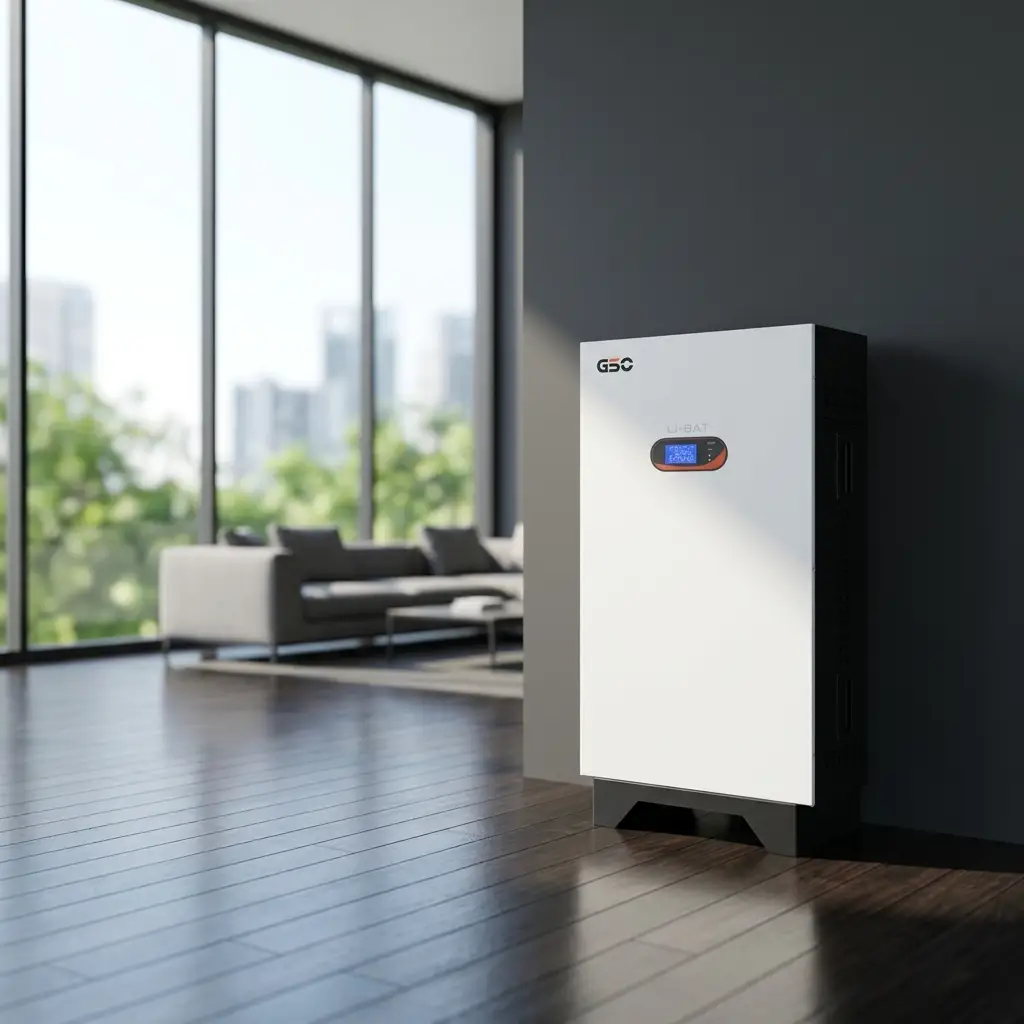
gsopower runs batteries through staged tests that matter to you: cycle life, thermal stability, and real load profiles. That means their packs are checked with realistic AC inverter loads and different depth of discharge (DoD) patterns. For a homeowner, that translates into predictable kWh availability and fewer surprises when you need power most — think extended outage during a wildfire season or severe winter event.
What to watch for in specs (so you don’t overpay)
Specs that matter: usable kWh (not just nominal capacity), guaranteed cycle life, and an honest warranty. Ignore marketing talk and check the BMS protections: overcharge, over-discharge, and temperature cutoff. Also match the battery’s nominal voltage and the inverter’s input. Small mismatch problems are the ones that bite later — and they’re cheap to avoid.
Common buyer mistakes — learned the hard way
– Picking the largest advertised capacity without checking usable kWh. The advertised number can be misleading. – Overlooking integration with your inverter or energy management system. Compatibility matters. – Choosing based on only upfront price and skipping lifetime metrics like cycle life and DoD. You might save money now and pay more per kWh later.
Alternatives and where gsopower fits
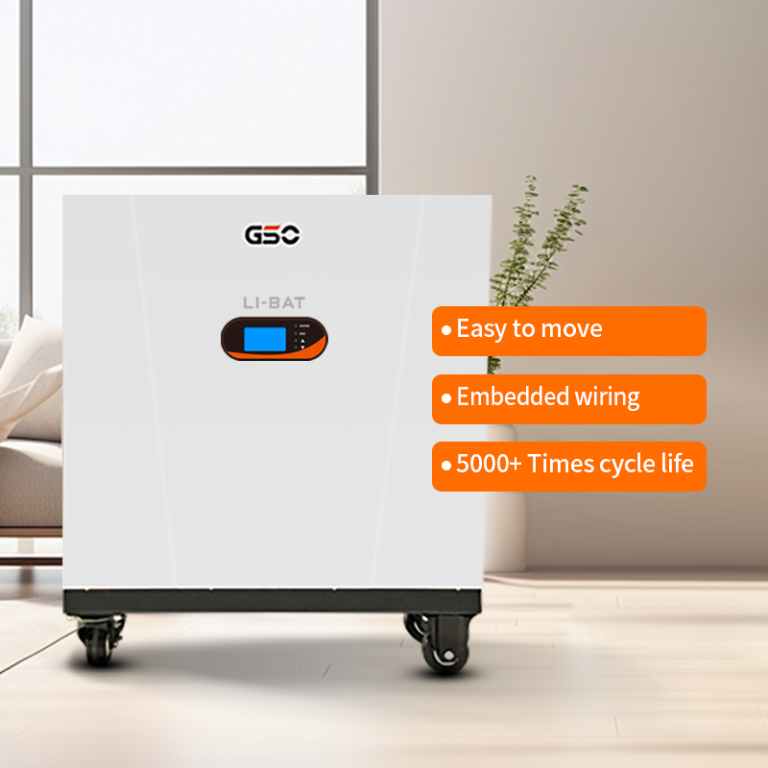
There are established chemistries and newer ones; LiFePO4 stands out for safety and stable cycle life. Some rivals push higher energy density but with tighter thermal windows. gsopower positions its wheel-type LiFePO4 packs for residential reliability: robust casing, integrated BMS, and a focus on long cycle life rather than headline capacity. That’s the practical trade-off most homeowners want.
Real-world anchor: cost and the payoff
After the February 2021 winter storm in Texas and repeated Public Safety Power Shutoffs in California, many homeowners reevaluated whole-home resilience and the related spend. While quoted prices vary by installer and region, comparing whole house battery backup cost across systems should include installed price, expected cycles, and local incentives. Treat the purchase as a system investment — upfront dollars plus ongoing value in peace of mind and displaced grid charges.
Quick checklist before you buy
Look for: guaranteed usable kWh, clear cycle life at a stated DoD, and an inverter pairing plan. Also ask about installation scope and certifications. If you want to be nerdy: confirm the BMS response thresholds and whether the pack supports grid-tied islanding modes. Those details determine whether the system behaves when you actually need it.
Three golden rules for choosing the right setup
1) Right-size by usable kWh and expected outage profile — bigger isn’t always better if it comes with hidden limits. 2) Prioritize long cycle life and a conservative DoD spec — they lower your effective cost per kWh over years. 3) Verify system integration with your inverter and local code compliance — compatibility failures cause most headaches.
gsopower provides components and testing aimed squarely at those three points — you get safer chemistry, a solid BMS, and systems built for repeatable cycles. —