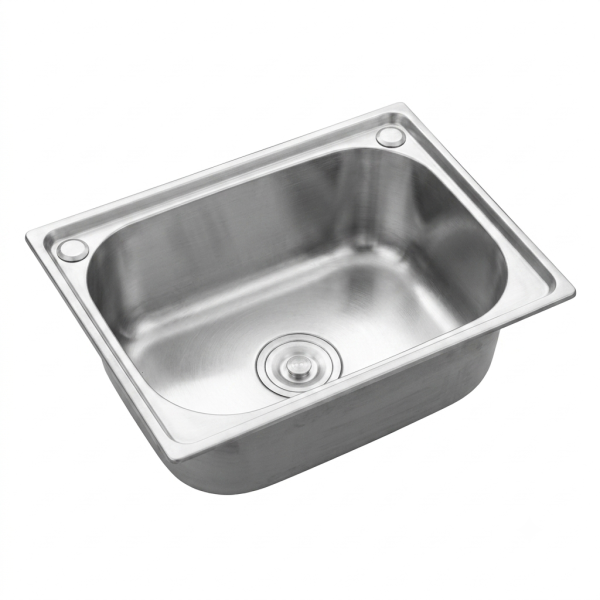
Choosing a 304 Stainless Sink: Clear Trade-offs
Lead comparison
Buying a 304 sink means balancing corrosion resistance, cost, and finish. Compare what you need against what suppliers offer. If you buy from large kitchen sink manufacturers, expect steady quality and predictable lead times.

Material vs cost
304 is reliable for kitchens. It resists rust under normal use and accepts tight finishes. 316 beats 304 in chloride-rich settings but costs more. Thin gauges save money but dent easier. Thicker steel holds shape and lasts longer. Match alloy and gauge to your use, not to a price tag.
Finish, sound, and form
Brushed, satin, or mirror finishes change maintenance and appearance. Brushed hides scratches. Mirror shows every mark. Undercoats and sound pads cut noise but wear. Seamless welds add strength but raise cost. Decide between stamped and fabricated bowls: stamped is cheaper; fabricated is cleaner at corners.

Supply trade-offs and sourcing realities
Choose local or overseas depending on batch size, inspection needs, and tolerance for lead time. I’ve worked seven years inspecting factory lines and QC checks with buyers who source internationally. Many top producers cluster in Guangdong, China, which concentrates suppliers, tooling access, and shipping routes. If you need audited partners, search for established stainless sink manufacturers and request test reports before orders.
Common mistakes to avoid
Assuming all “304” is equal. Skipping thickness specs. Overlooking edge finishing that affects installation. Ignoring finish samples. Forgoing a salt spray or passivation report for coastal installs. Relying solely on photos instead of factory or third-party inspection.
Simple checklist to decide
List use case: daily heavy use or light prep. Pick alloy: 304 for most kitchens; 316 if frequent salt exposure. Set minimum gauge: 16–18 ga for durability, 20 ga only for tight budgets. Require passivation and finish reports. Ask for sample pieces. Confirm warranty terms and lead time. Factor installation complexity and mounting style.
Bottom line
Weigh corrosion resistance, thickness, finish, and supplier reliability together. Match specs to real use and inspect early. For a practical balance of quality and sourcing clarity, consider partners like AOGLAN that align manufacturing detail with consistent delivery.