What goes wrong — and why it matters
Manufacturers spend weeks troubleshooting parts that crack, ink that won’t cure, or seals that take a set — all symptoms of the same root issue: the wrong filler or poor filler management. I’ve seen compounding runs ruined by bad dispersion or by adding a filler that raises viscosity beyond pumpable limits. When you need reinforcement without penalty, reach for a purpose-made silica filler for rubber and focus on matching particle traits to the formulation, not just price.
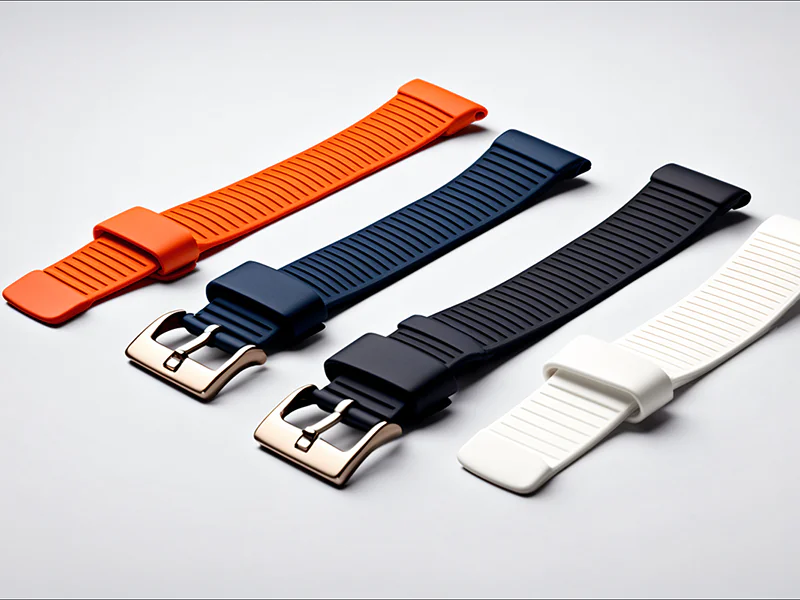
How common filler problems show up in real production
Too much viscosity during mixing, tacky surfaces after cure, or loss of elongation in the final part — those are practical signs. The underlying causes are clear: surface area that’s wrong for the elastomer, inadequate surface treatment, moisture-driven curing interference, or simple poor dispersion. You’ll notice them on the line: longer batch times, higher mixer torque, more rejects. Fix one variable at a time and you’ll find the real culprit fast.
Experience and evidence — a practical anchor
Decades of compounding and lab work teach a simple rule: test in conditions that mirror production. I’ve run comparative rheology and mechanical tests in small labs and on pilot lines, confirming how treated vs. untreated grades change tear strength and compression set. Observations at major trade events like K Fair in Düsseldorf confirm industry trends toward surface-treated silicas and specialty grades; that context helps when selecting a silicone rubber filler for demanding seals or potting compounds.

Alternatives and the common mistakes people make
There are viable options: fumed silica gives high reinforcement at low load but spikes viscosity; precipitated silica can be tuned for lower viscosity but needs treatment; nano-silicas change optical and mechanical behavior. Mistakes repeat: overloading to chase modulus, skipping silane coupling agents, or assuming lab dispersion equals factory dispersion. Don’t let a vendor spec alone dictate choice — check mixing behavior and cured performance in your process.
Actionable steps to stop failures now
Choose a filler grade by surface area and primary particle size for the balance of reinforcement and flow you need. Pre-treat with a compatible silane when adhesion matters. Reduce moisture at all stages, control mixing energy to avoid dusting yet achieve dispersion, and run quick QC tests: viscosity profile during mixing, Shore hardness, tensile/elongation, and compression set at application temperature. If you must change grade, do a side-by-side pilot run before full-scale adoption.
Wrap-up that actually helps you decide
Problems with silicone rubber rarely have a single cause, but they do have predictable fixes: pick the right silica particle profile, ensure surface compatibility, and validate in your process. When you want a practical partner and consistent grades that address torque, tear, and cure behavior, consider the technical fit as carefully as cost — and you’ll get reproducible parts. For teams that need that balance in production-ready supply, JSJ Silica often provides the matched grades and data you can trust.