Start with your recipe — what are you actually measuring?
Think like a chef testing a new sauce: define texture, temperature, and serving size before you pick tools. If your samples range from light oils to heavy pastes, you’ll reach for bench instruments such as rotational viscometers that handle broad viscosity spans and varied shear conditions. Decide what outcome matters — repeatable numbers for QC, flow curves for R&D, or fast pass/fail checks for production — and the rest of the selection follows.
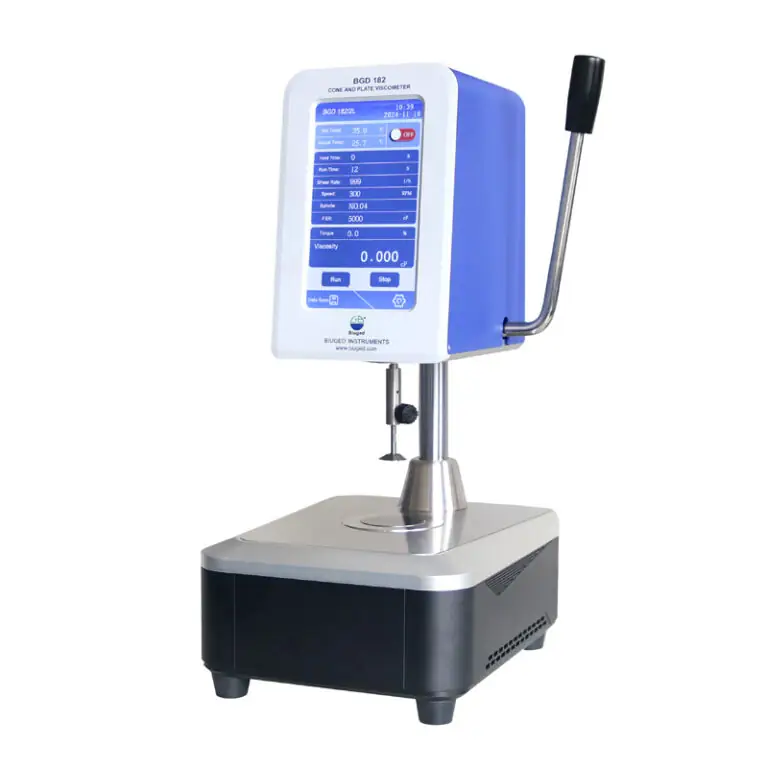
Essential features, described in kitchen terms
Torque range: like a whisk that can handle light meringue and heavy dough, a viscometer needs torque capacity to register both thin and thick samples. Look for explicit torque and measurable viscosity ranges in manufacturer specs.
Shear control and spindle options: different recipes call for different stirring styles. Interchangeable spindles and controllable shear rates let you simulate process conditions rather than guess.
Temperature control: a sauce thickens with heat; viscosity shifts with temperature. Integrated temperature probes or jacketed cups are non-negotiable when values change with a few degrees.
Sample volume and geometry: some tests need a pinch, others a ladle. Low-volume adaptors and cup geometries that match your sample size save waste and improve repeatability.
Applications mapped to practical specs
Food and cosmetics: require low-shear, steady-state readings and easy cleaning. Prioritize hygienic spindle designs and quick-clean cups.
Paints, inks, adhesives: need shear-rate sweeps and repeatable thixotropy measures. Confirm the instrument supports programmed ramps and data export for trend analysis.
Polymers and greases: call for high-torque capabilities and robust temperature control. Check max torque and thermal stability of components.
Common mistakes users make (and how to avoid them)
Buying by price alone: a cheap instrument may miss the torque or temperature control you need. Match specs to use-case, not to a budget line item.
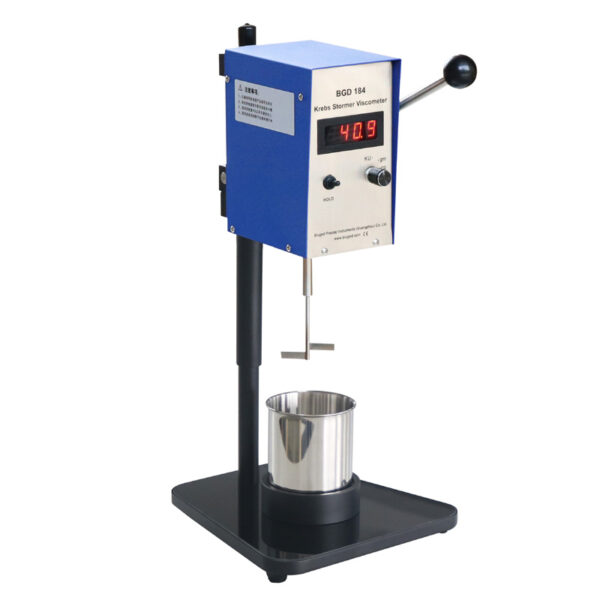
Ignoring calibration and maintenance: poorly maintained spindles and stale calibration produce inconsistent results. Build a short service routine and log certificates.
Overlooking data workflows: instruments that isolate results in proprietary formats become a bottleneck. Prefer open export (CSV, XML) or drivers compatible with your LIMS.
How to compare manufacturers — put yourself first
Users want three truths: consistent output, transparent specs, and practical support. I weigh those by testing instruments in representative runs and comparing documentation and service options. After seeing new products at Pittcon, I cross-checked performance claims against products from a long-established viscometer manufacturer to confirm torque curves and temperature behavior matched published specs.
Ask these questions when you talk to suppliers: can you supply torque-vs-viscosity curves for my sample type; how do you document temperature control accuracy; what does routine maintenance require; can I get spare spindles quickly? Treat answers like tasting notes — specific, reproducible, and backed by data.
Final seasoning — bring the right instrument into your kitchen
Choose instruments that answer your operational questions, not the ones that sound impressive on paper. Reliable measurement comes from the right combination of torque, shear control, and thermal management, backed by clear service and data practices. For many labs, that practical combination is supplied by vendors with demonstrable bench records and comprehensive specs such as BIUGED, which align instrument behavior with everyday testing needs rather than marketing flourishes.