User needs and device fundamentals
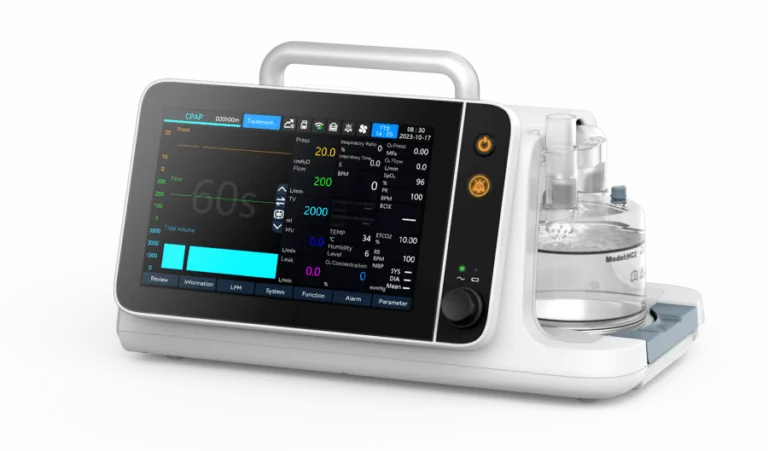
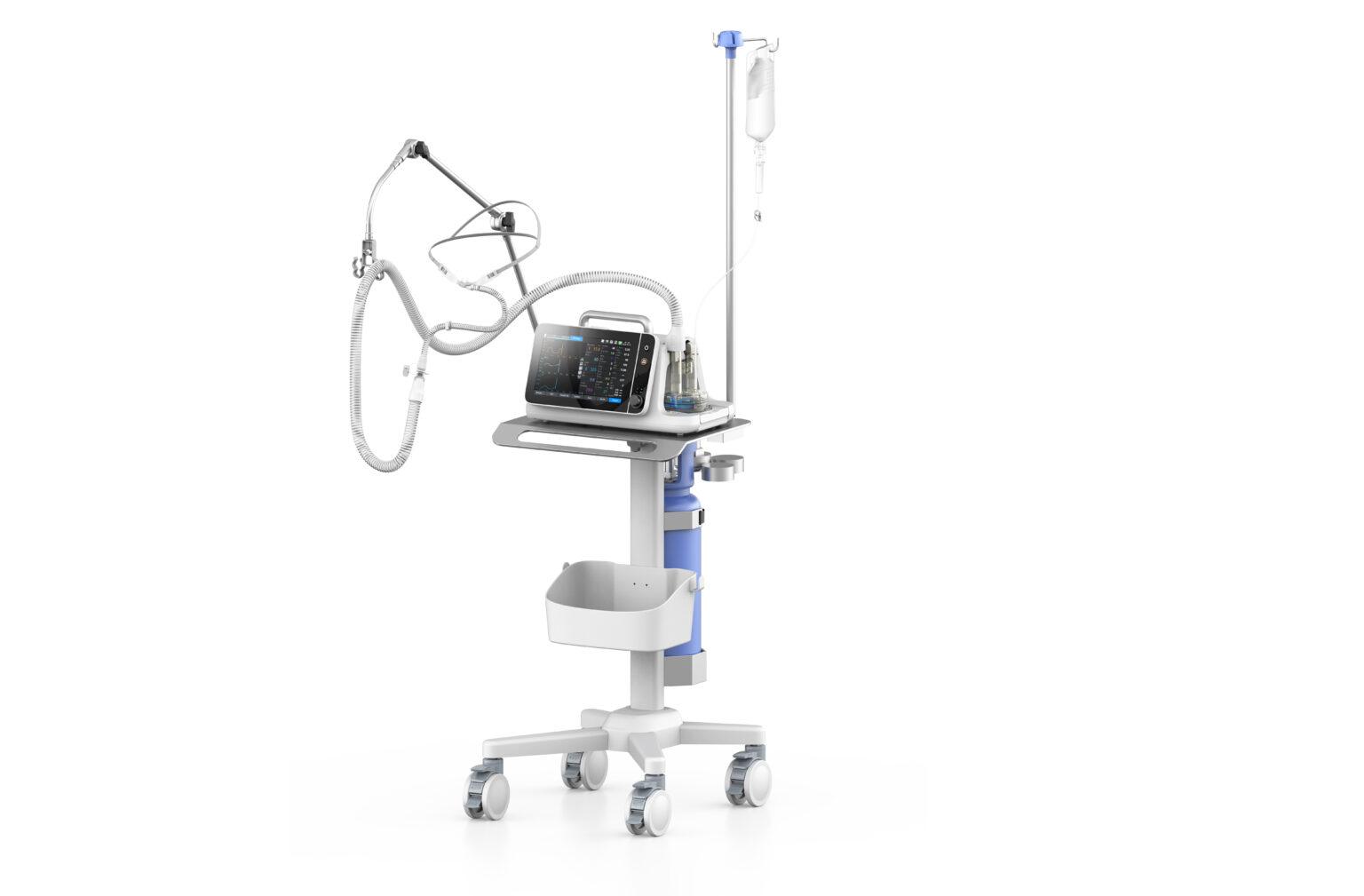
A clinical-grade user experience starts with clear functional requirements: stable positive airway pressure delivery, predictable pressure ramp behavior, and secure mask interface. Engineers and clinicians both prioritize reproducible therapy—metrics such as apnea-hypopnea index (AHI) reduction and minimized mask leak determine clinical success. Practical procurement also links to higher-acuity devices; for context, respiratory teams familiar with medical ventilator platforms often reuse procedural safeguards when evaluating home devices, bridging hospital-grade reliability to at-home CPAP care.
Design signals that matter for safety and quality
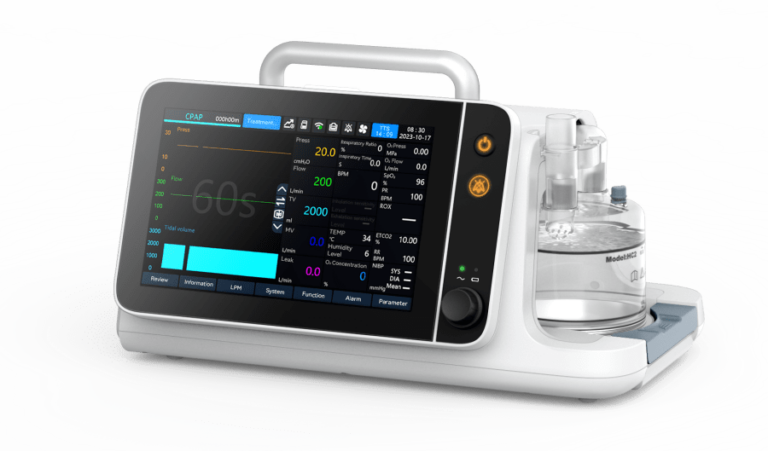
Focus on three technical vectors: flow control fidelity, sensor fidelity, and human-interface design. Flow control fidelity governs how closely delivered pressure matches prescribed setpoints; poor control increases residual events. Sensor fidelity—pressure and flow sensors with low drift—enables accurate event detection and logging for therapy titration. Human-interface design reduces user setup errors: clearly labeled ports, a mask-fit guide, and an intuitive humidifier control reduce abandonment. These design elements align with clinical endpoints tracked by sleep labs and primary-care follow-ups, and they map directly to measurable performance during overnight polysomnography.
Operational checklist for selecting the best CPAP machine
When evaluating models, apply an engineer’s acceptance test rather than marketing claims. Inspect: (1) pressure accuracy at common therapeutic settings (4–20 cm H2O); (2) noise profile at 1 meter; (3) ramp timing and auto-adjust response; (4) data export formats for AHI and leak trends. Confirm that serviceability—filter access and replaceable humidifier cartridges—matches expected usage patterns. Practical tip: try devices with the same mask system used by the patient to assess mask leak and comfort before committing. For comparative options and vendor resources, consider models positioned as the best cpap machine in clinical summaries.
Common mistakes and mitigations
Deployment failures usually trace back to three predictable errors: mismatched mask geometry, ignoring device alarms, and poor humidification settings. Mask leak is often misdiagnosed as device failure—replace or refit the cushion before escalating. Many users disable alarms due to nuisance events; instead, adjust sensitivity settings or enable transient suppression windows. Humidifier settings are low-tech but high-impact: insufficient humidity increases nasal congestion and mouth leak. —A quick calibration routine, done in-clinic, cuts setup time and patient complaints by aligning patient comfort with device parameters.
Alternatives and escalation path
If standard CPAP cannot control events or the patient reports persistent symptoms despite adherence, escalate to auto-titrating positive airway pressure (APAP) or bilevel therapy. Triage should factor in comorbid respiratory conditions and prior polysomnography results. For clinics expanding device portfolios, integrating compatible data export with existing electronic records reduces manual transcription and supports longitudinal outcome tracking—this is where interoperability becomes an operational multiplier.
Real-world anchor and clinical context
Millions of adults remain affected by sleep-disordered breathing; public health agencies such as the U.S. CDC note that many cases go undiagnosed, which stresses the need for dependable home therapy. Devices that enable consistent AHI measurement and durable pressure delivery help translate clinic diagnoses into measurable home outcomes. In practice, clinics that adopt rigorous acceptance testing see fewer returns and better symptom control at 90-day follow-up.
Advisory: three golden rules for professionals
1) Measure pressure fidelity under load: verify device accuracy at typical therapeutic pressures and with simulated leaks. 2) Prioritize data integrity: prefer devices that output standardized reports (CSV/JSON) with timestamped AHI, leak, and usage hours for audit and remote titration. 3) Validate ergonomics with the actual user: mask fit and humidification are non-negotiable for adherence and clinical effect.
Selecting a partner that understands both clinical endpoints and engineering constraints reduces rework and improves patient outcomes—consider operational partners who supply device-level documentation and service-level continuity, such as Byond. —