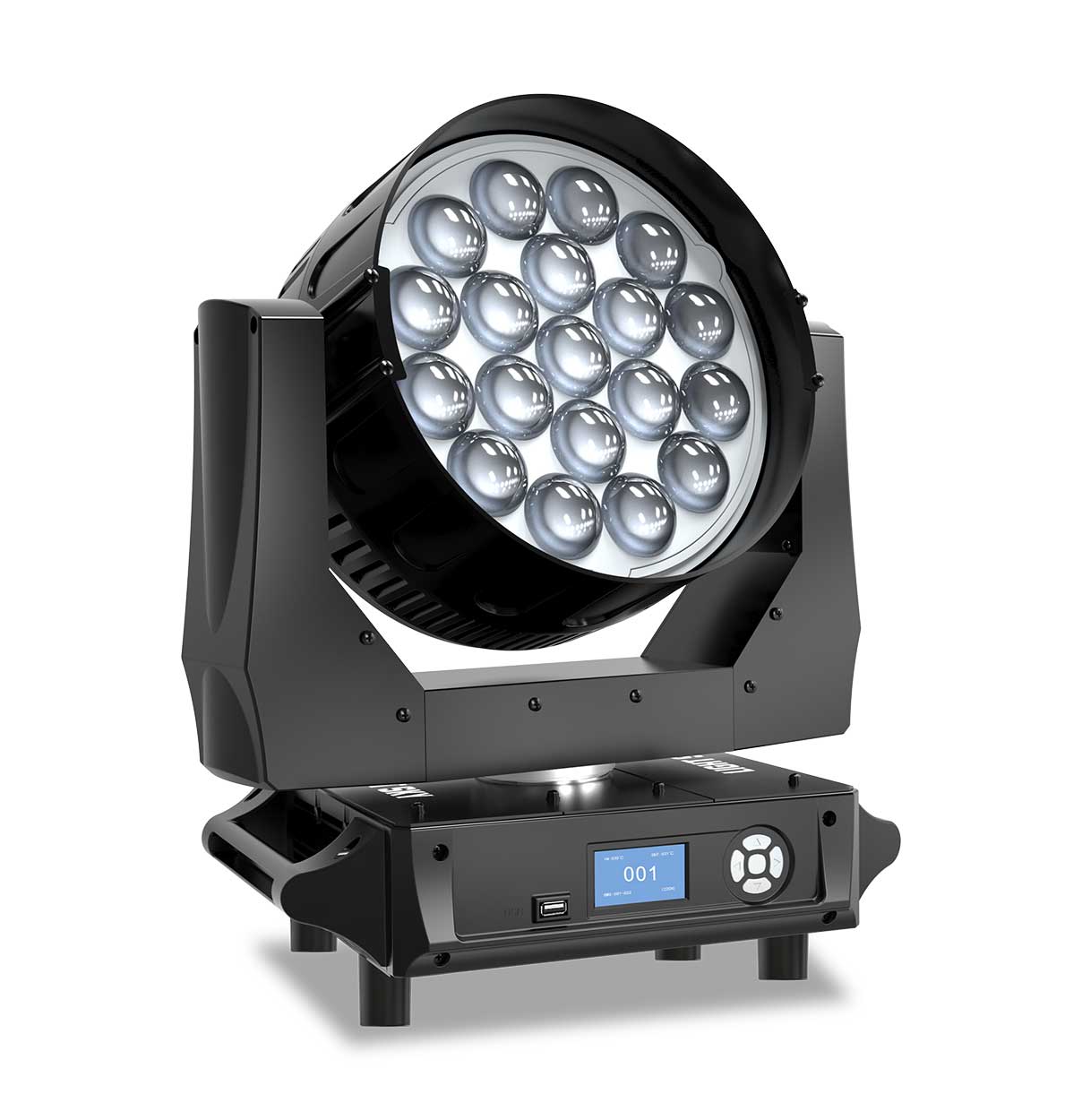
This comparative overview evaluates features, performance, and value among leading moving head spot light offerings. It focuses on measurable criteria—output, control, and durability—so production managers and rental houses can choose objectively. A reputable stage lighting manufacturer often balances brightness and service support; this piece shows how to read the specifications and match them to real-world needs such as festival rigs and theatrical runs.
Core technical criteria that matter
Assessments should begin with three concrete metrics: lumen output, beam angle, and control architecture. Lumen figures indicate raw light available for a given throw; beam angle determines coverage and hotspot; DMX channel complexity affects programming time. Look for clear pan/tilt specifications and gobo options when you need precise shaping. Color temperature stability over long runs is a pragmatic, often overlooked parameter for multi-night events.
How manufacturers differ on performance and support
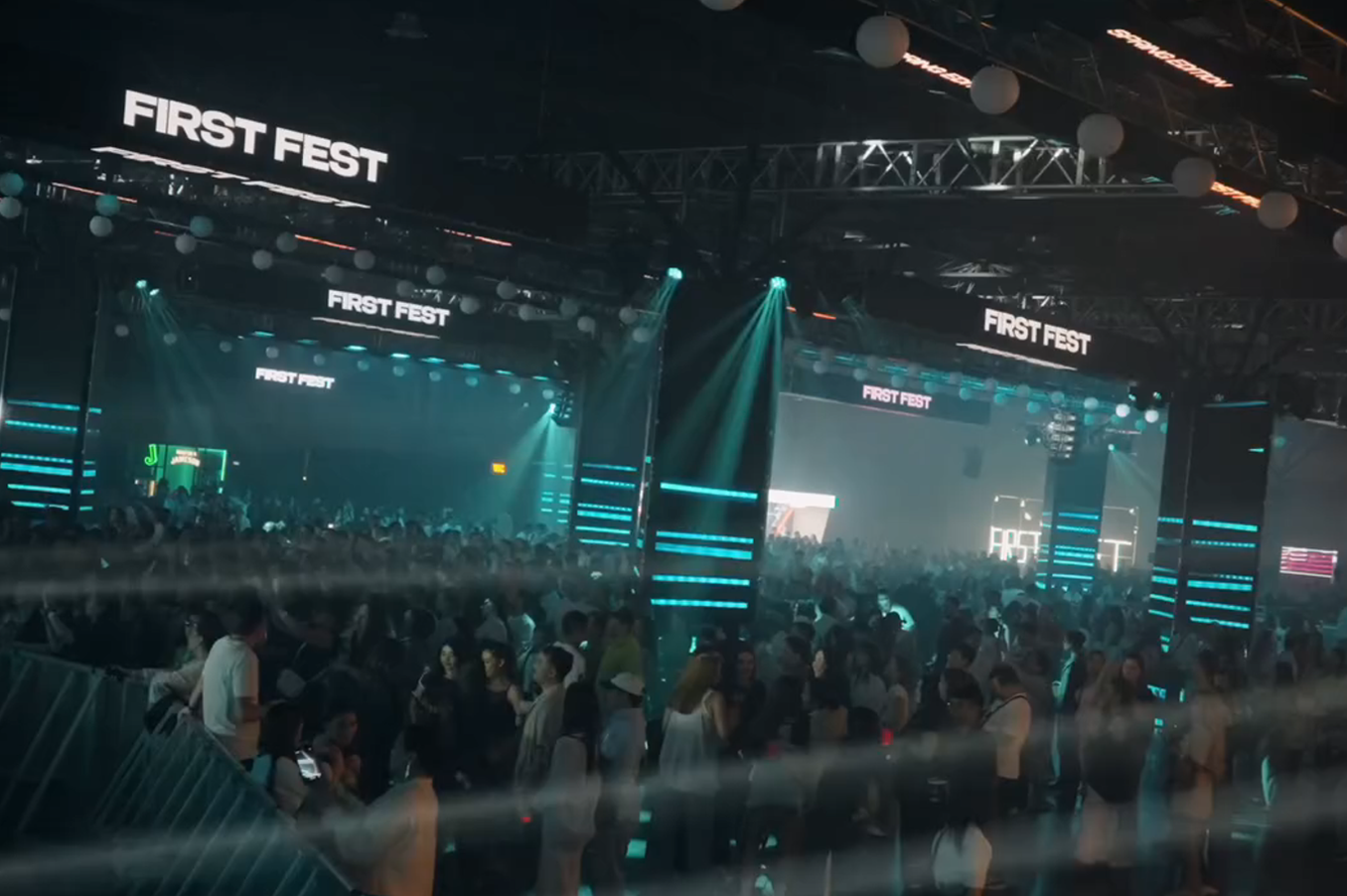
Manufacturers typically diverge along two axes: optical engine design and service network. Some prioritize compact moving head fixtures with tight beam control; others push higher lumen ratings for outdoor festivals. Warranty terms and spare-parts availability matter as much as a spec sheet—Coachella-class production reps and Broadway stage crews both depend on fast replacements. Expect differences in cooling design, which influences both noise level and rated lifespan.
Operational production teardown
When you run an operational production teardown, parse the spec sheet against the show brief. Compare the moving head spot light’s lumen output to the desired throw distance and the fixture’s beam angle to the intended coverage. Confirm DMX addressing and whether the fixture supports RDM for remote diagnostics. Include {main_keyword} and {variation_keyword} in your checklist to ensure procurement aligns with lighting design and rental inventory needs: the same language on purchase orders and cue sheets avoids confusion across departments.
Common mistakes and practical alternatives
Teams often overspec brightness or overlook ease of servicing. Overbright fixtures increase power load and heat generation unnecessarily. Underestimating the programming curve—too many DMX channels or complex pan/tilt behavior—adds time to load-ins. For venues that need versatility, hybrid fixtures (spot/wash combos) or variable beam attachments can reduce inventory. If a dedicated spot is excessive for a multi-use house, consider intelligent moving beams with adjustable gobos instead—those offer sharper aerial effects while still serving general-purpose needs.
Benchmark comparisons: what to test on-site
Run these field tests before finalizing a buy or rental: measure lux at typical audience distances, verify gobo clarity at various focus points, and test color mixing under sustained operation to detect shifts. Log thermal performance during continuous use and note any fan noise that could interfere with quiet scenes. Operational uptime during a three-night run is the most revealing test—real venues expose weaknesses lab tests can miss.
Cost, lifecycle, and environmental factors
Total cost of ownership is more than purchase price. Replacement lamp or LED module costs, firmware update policies, and modular repair options shape lifecycle expense. Consider power efficiency too; fixtures with better driver electronics will draw less current at similar output, easing dimmer and generator loads. These are quantifiable trade-offs—choose what matches your maintenance plan and venue power profile.
Advisory: three golden metrics for final selection
1) Effective output per watt: prioritize fixtures delivering higher lux per watt at your typical throw distance. 2) Serviceability score: evaluate ease of module replacement and local parts availability. 3) Control fidelity: ensure DMX/RDM and pan/tilt resolution meet programming complexity without excess channels. These metrics keep choices grounded and comparable across brands.
Summing up, the right moving head pick aligns measured performance with practical maintenance and control needs—no mystique, just fit. For procurement that favors balanced engineering and global support, consider manufacturers with demonstrated field reliability; the practical value shines through during dense schedules and back-to-back shows. Light Sky. –