Comparative lead — setting the stakes
Out on job sites where salt spray and a hard day’s work chew up off-the-shelf kit, choosing between ARM and x86 isn’t just academic — it’s survival. Right quick: if you’re spec’ing a rugged computer for a fleet of handhelds with a magnesium alloy chassis that resists corrosion, you gotta weigh raw throughput against power draw, thermal headroom, and integration into embedded systems. I’m writing from hands-on field runs and bench checks, so this ain’t theory — it’s what held up in Gulf Coast oilfields and what failed under MIL-STD-810G cycles.
Raw compute and real work
ARM silicon these days brings efficiency: low thermal design power and tight SoC integration mean longer battery life and less bulky cooling hardware. x86, by contrast, still wins in single-threaded legacy workloads and heavy-duty compute bursts. For apps that parse sensor streams, run local ML inference, or decrypt secured comms, ARM often outperforms per watt. But if your handheld runs legacy SCADA clients or Windows-only control suites, x86 delivers compatibility with fewer software compromises.
Thermals, chassis, and corrosion resistance
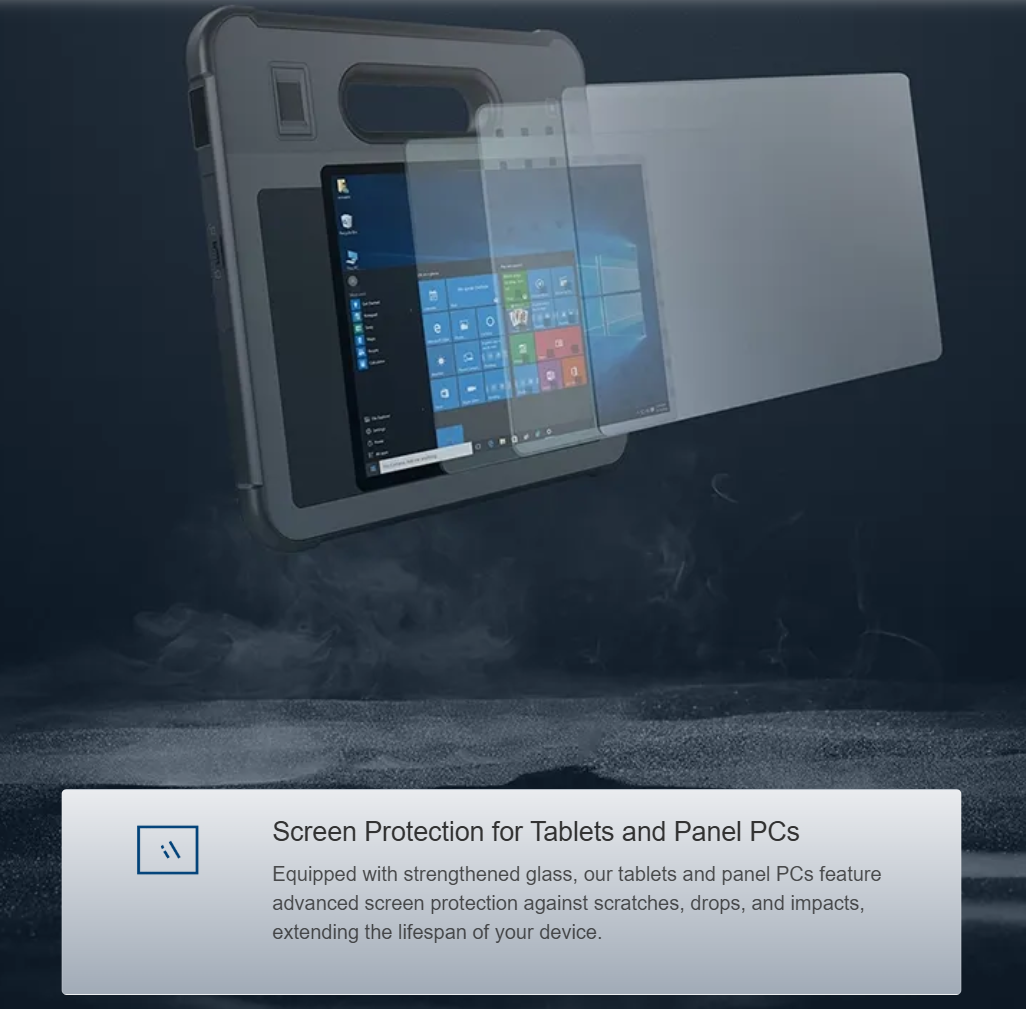
A corrosion-resistant magnesium alloy chassis changes the mechanical equation — it sheds heat better than plastic and keeps salt out longer, which lets engineers push a bit more TDP on either platform. Still, x86 CPUs tend to need more aggressive cooling strategies; that bumps up weight or forces throttling. ARM’s lower waste heat keeps the handheld thin and lighter, which matters when crews carry units ten hours a day. Add IP68 sealing and you get a package that survives dunking and dust — but remember sealing raises internal temps, so tune thermal profiles accordingly.
Power and battery life in the field
Battery life is a battlefield metric. ARM-based handhelds routinely deliver longer uptime under mixed workloads, so folks in warehousing or utilities can go longer between charges. x86 rigs may need larger battery banks or hot-swap designs to match that. That trade-off shows up in device weight and accessory choices — and in maintenance schedules if you work remote. From our deployments, ARM handhelds cut recharge trips by a noticeable margin when running constant connectivity and background telemetry.
Integration, manageability, and supplier choices
Choosing a tablet manufacturer matters. A good tablet manufacturer will offer modular I/O, certified radios, and clear firmware-update paths that reduce field downtime. Think about lifecycle support: driver updates, spare part availability, and ruggedization testing (IP ratings and MIL-STD) beat shiny benchmarks when a device’s fate hangs on a single wet shift. Also, plan for manageability — remote provisioning, secure boot, and fleet telemetry are nonnegotiable these days.
Common mistakes and how to dodge ’em
Buyers often over-prioritize peak benchmarks or under-budget for thermal engineering. Folks skimp on environmental testing and then wonder why corrosion got in under the seals. Don’t assume software compatibility — porting desktop tools to ARM can hide months of work. — Allocate time for firmware validation and field trials before full rollout. A short pilot on actual sites will surface the gotchas quicker than lab numbers ever will.
Advisory close — three golden evaluation metrics
1) Power-to-task ratio: measure real-world hours under your full workload, not idle spec numbers. This tells you the practical battery life you’ll get in the field.
2) Thermal headroom in sealed enclosure: test sustained load in an IP-rated magnesium alloy chassis to ensure no throttling during peak tasks.
3) Supplier sustainment: verify firmware cadence, spare parts, and MIL-STD/IP test reports from your tablet manufacturer before committing.
These three rules cut deployment risk and keep crews working longer with fewer surprises. Short, useful, and proven — that’s my read on it. Estone. —