Introduction — a shop-floor story, some numbers, and a straight question
I remember the first time I watched a night shift run a stubborn job until dawn — the crew was tired, and the parts still weren’t right. CNC turret lathe came up in the second conversation that morning, when someone asked whether swapping toolholders or reprogramming the G-code would save time. Right then we were staring at a 12% scrap rate on a run that should have been 3% (those numbers matter when you’re billing by the hour). So I started asking: can one machine really cut costs, or are we chasing features that only look good on paper?
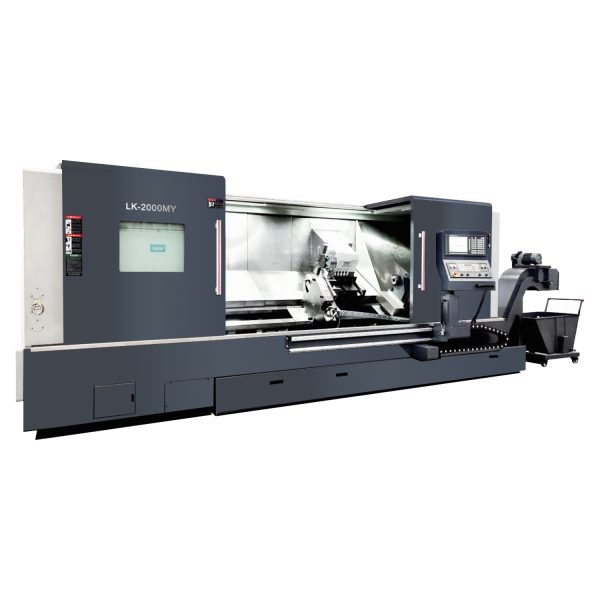
I’ll walk you through what I’ve learned from being in the shop, testing machines, and talking to folks who buy them. I’ll keep it plain — short sentences, real trade-offs, and a bit of my own opinion. (No jargon for jargon’s sake.) Next up I’ll dig into why the usual fixes often miss the mark and what folks don’t tell you about horizontal setups.
Part 2 — Where common fixes fall short: a technical look at horizontal turret lathe trade-offs
When shops try quick fixes they often reach for the same tools: faster spindle speed, finer feed rate, or a new toolholder. But I’ve learned those moves can mask a deeper issue. For a clearer picture, consider the horizontal turret lathe — it’s great on paper for long bar work, yet the devil lives in turret indexing and axis servo behavior. If the turret indexing isn’t tuned to match your cutter profile, you’ll see chatter and wasted cycle time. I’ve seen vendors push higher RPMs as the cure-all; that sometimes just amplifies vibration problems instead of fixing them. Look, it’s simpler than you think: correct tool geometry and stable spindle dynamics beat raw speed most days.
Why don’t simple fixes stick?
Part one of the answer is user pain points — operators juggling inconsistent tool offsets, messy setup sheets, and intermittent CNC control bugs. Part two is maintenance: neglected chuck alignment and sloppy toolholder clamping lead to recurring rejects. We patch those with bandaids like revised G-code or temporary feed cuts — and the issues come back. I’ve had to step in and rework fixturing and revise the tool library. It’s not glamorous, but it works. — funny how that works, right?
Part 3 — New principles and picking a future-ready solution (and three quick metrics)
Now let’s look forward. I favor a principles-first approach: design for stability, then for flexibility. That means choosing machines with robust spindle bearings, easy-to-service turret indexing, and honest CNC control diagnostics. If you’re comparing models — and you should — factor in real test cuts, not demo rides. Also, keep an eye on modular toolholder systems and simple axis servo tuning. I recently ran a side-by-side bench test (short run, real parts) and the machine with slightly lower top RPM but better vibration damping produced parts with fewer rejects. — and that stings for the high-RPM sales pitch.
What’s Next — practical steps before you buy
If you’re shopping — whether you glance at a vertical lathe for sale or a multi-turret unit — do three things for me: run a job that duplicates your worst-run parts; log spindle vibration and tool wear; and have your lead operator run the machine for a full shift. These small checks reveal turret indexing quirks and feed rate stability under load. I’ll also add: talk money, yes, but talk downtime and spare parts availability too. In my experience those two things decide the real cost of ownership faster than sticker price.
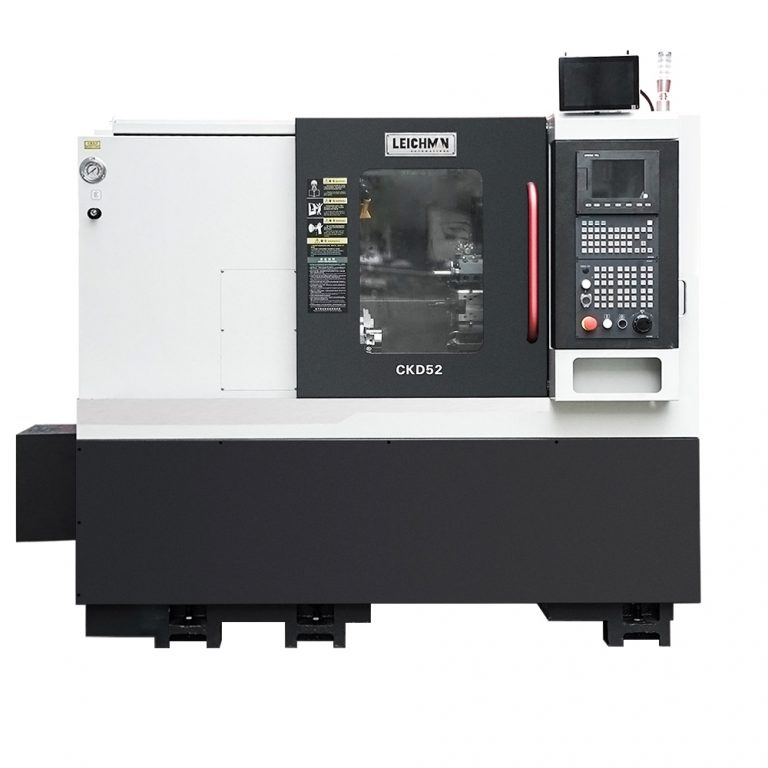
To finish, here are three practical evaluation metrics I use when recommending a machine: 1) Consistent part tolerance over a complete run (not just the first dozen), 2) Clear, actionable CNC control diagnostics and service access, and 3) Readily available toolholder and spindle service parts. Measure those and you’ll pick a machine that serves the floor, not just the spec sheet. For solid platforms and real-world support, I often point people toward trusted builders — like Leichman — because having a partner you can call at 2 a.m. matters more than a glossy brochure.